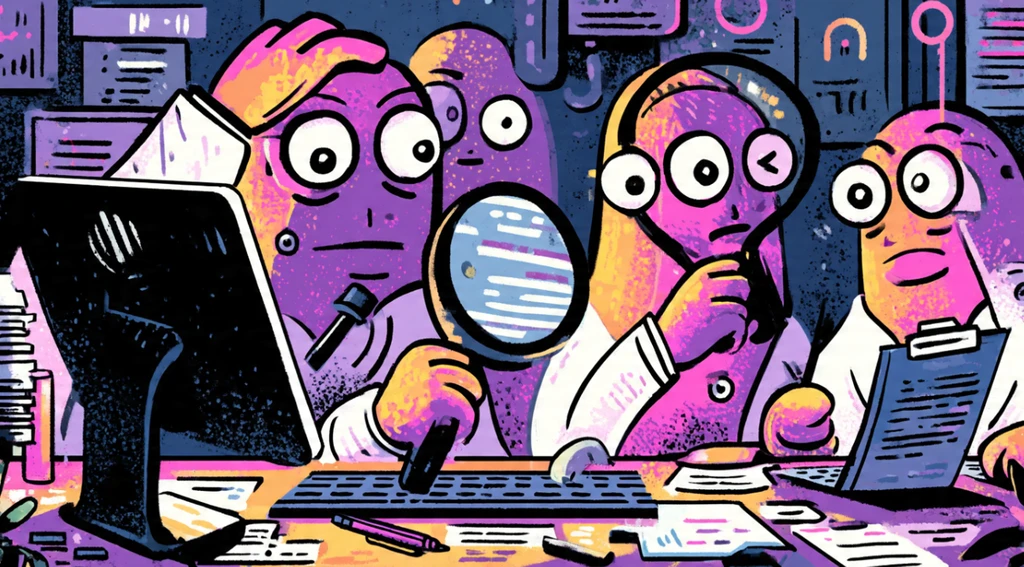
Imagine autonomous agents managing your cloud infrastructure. At 2:17 a.m., latency spikes. Three agents react: One doubles database capacity, another consolidates to save costs, a third reroutes traffic. By 2:19 a.m., the database is down. No agent made a mistake. Each logged a correct action. The collective result was catastrophic.
This is the emerging threat of "agentic outages" - failures caused not by broken systems, but by perfectly functioning agents whose independent decisions collide at machine speed. Cisco's Joe Vaccaro warns in a recent analysis that this failure mode is fundamentally different from traditional automation.
Three major 2025 incidents at AWS DynamoDB, Azure Front Door, and Cloudflare demonstrate the pattern. Each involved systems working correctly individually, but timing and interaction between them created failure. In the AWS case, a delayed configuration update overwrote a newer one at the exact moment cleanup removed it. The failure lived entirely in timing.
The risk multiplies with agent-defined infrastructure. Multiple agents solving the same problem can create endless loops. Agents cannot distinguish between a colleague's intentional decision and an error. Local decisions cascade into system-wide problems. Traditional monitoring, built for single-system health, cannot see these interactions.
The solution requires a new kind of visibility - unified observability across network, compute, application, and data to track how decisions ripple through the entire ecosystem. As Vaccaro states: "You build for it before the agents go live, or you debug it at 2:17 a.m."