
AI models are rapidly advancing, but a critical gap exists: verifying the data and processes behind their outputs. Rebecca Simmonds of the Walrus Foundation highlights the challenge: "Most AI systems rely on data pipelines that nobody outside the organization can independently verify." This lack of transparency creates compliance risks and erodes trust.
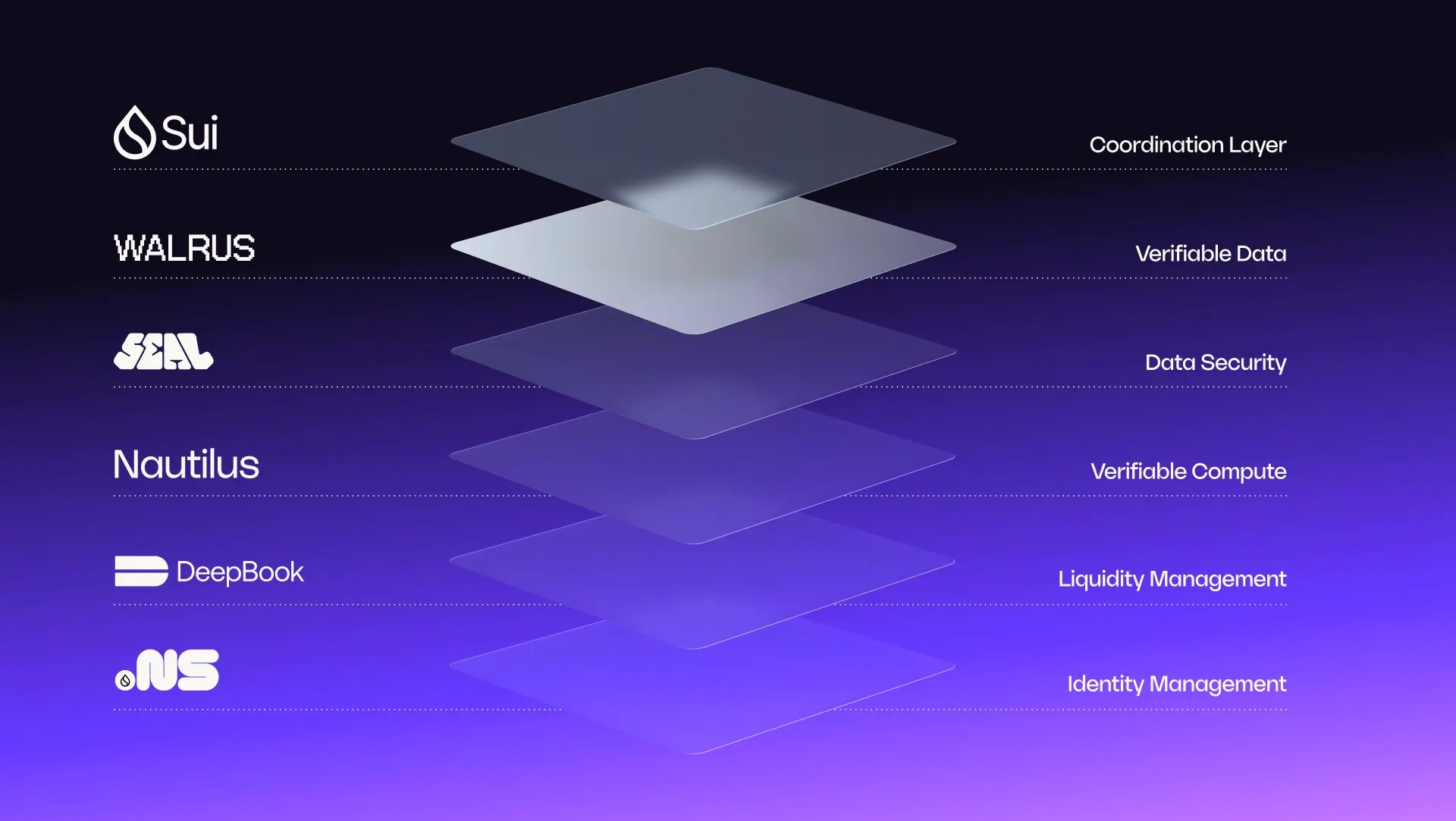
Walrus positions itself as the data foundation within the Sui Stack, a broader architecture that includes data availability, offchain environments, and access control. Walrus provides a verifiable data layer where each dataset receives a unique ID based on its content. Any alteration, even a single byte, changes the ID, allowing independent verification of data integrity and availability.
This cryptographic anchoring moves AI from a "trust us" model to "verify this," essential for financial, legal, and regulated sectors. Unlike centralized logs that require trust in a single operator, Walrus ensures integrity through decentralized means.
Several AI teams, including elizaOS and Zark Lab, have adopted Walrus. The focus is on providing a verifiable data foundation, not guaranteeing model reasoning or output truth. This transparency is paramount for high-stakes domains like finance and healthcare, where data accuracy directly impacts critical decisions and outcomes.