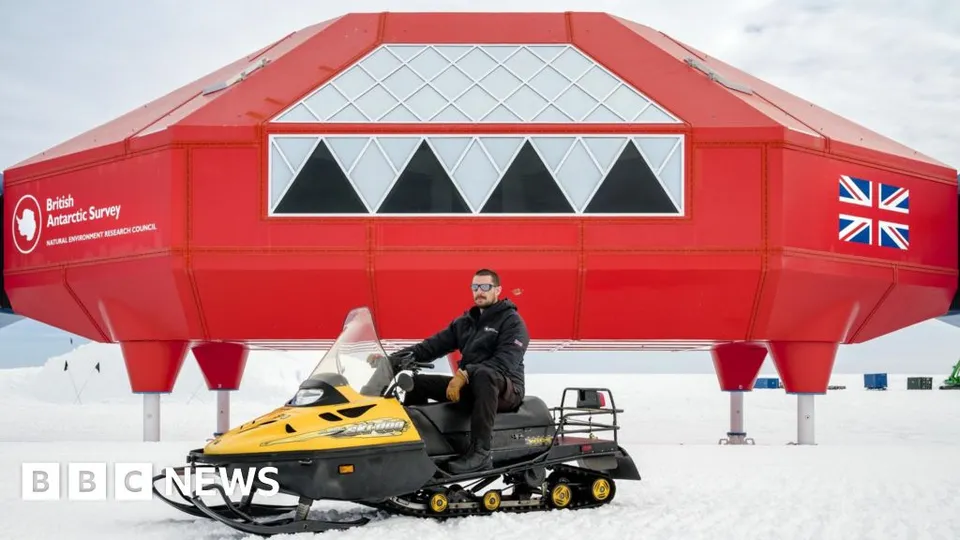
Opportunities are now open for non-scientists to work at UK and US research facilities in Antarctica. Roles range from carpenters and electricians to chefs and hairdressers.
Dan McKenzie, station leader at the Halley VI Research Station, highlights the extreme environment. Temperatures average -20C, with potential drops to -40C. Summer offers continuous daylight, while winter brings prolonged darkness.
Mckenzie, who previously worked as a marine engineer, transitioned to Antarctica seeking adventure and remote locations. He now manages a team of 40, overseeing supplies, health and safety, and providing emotional support to staff dealing with isolation and close-quarters living.

The British Antarctic Survey (BAS) recruits up to 150 new staff annually. Approximately 70% of positions are operational, essential for station upkeep. These include medics, doctors, and plumbers. Salaries begin at £31,244, with travel, accommodation, meals, and gear provided.
Around 5,000 individuals work in Antarctica during its summer, across 80 stations operated by 30 countries. BAS and the US Antarctic Program advertise vacancies online.

Challenges include scarce fresh food, limited alcohol, and shared dormitory accommodations. Staff work a seven-day rota. The selection process evaluates conflict-handling and problem-solving skills, followed by pre-deployment training.
Mariella Giancola, BAS head of HR, notes that interpersonal dynamics and lack of privacy are often more difficult than physical challenges. "It's important to be comfortable with the fact that you are not going to have any privacy," she states.
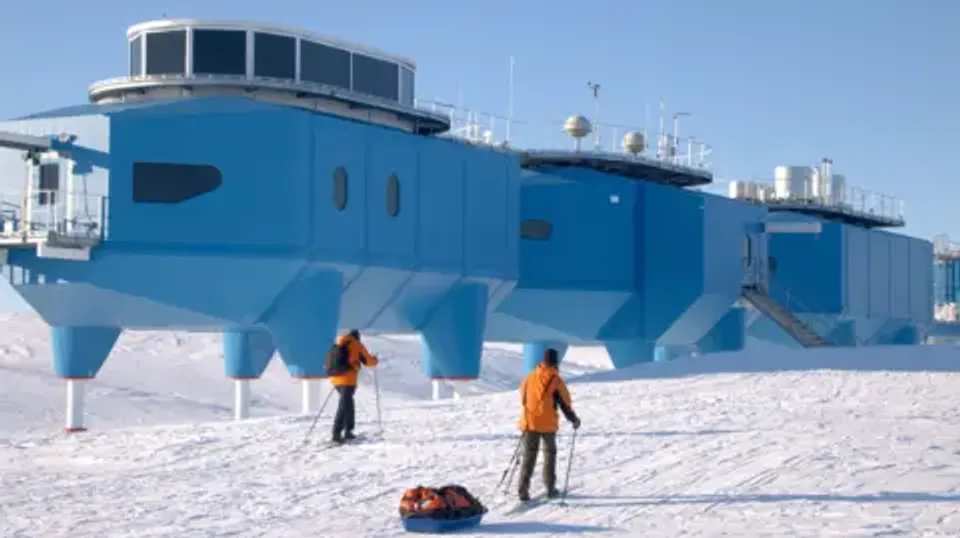
Clinical psychologist Dr. Duncan Precious suggests that individuals drawn to Antarctica often thrive on "good stress." Despite potential hazards, the unique experiences, such as wildlife sightings and contributing to environmental research, offer significant rewards.