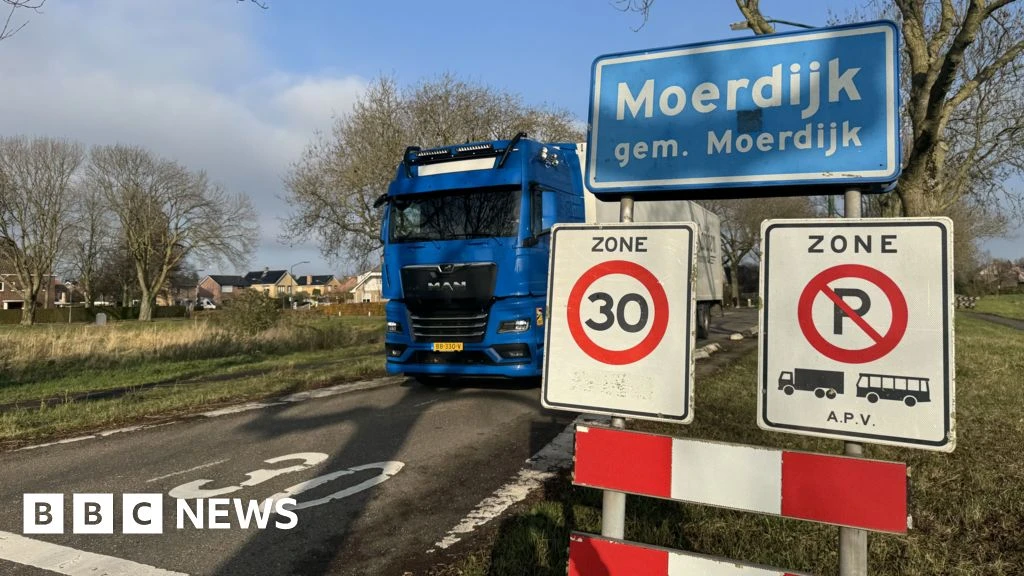
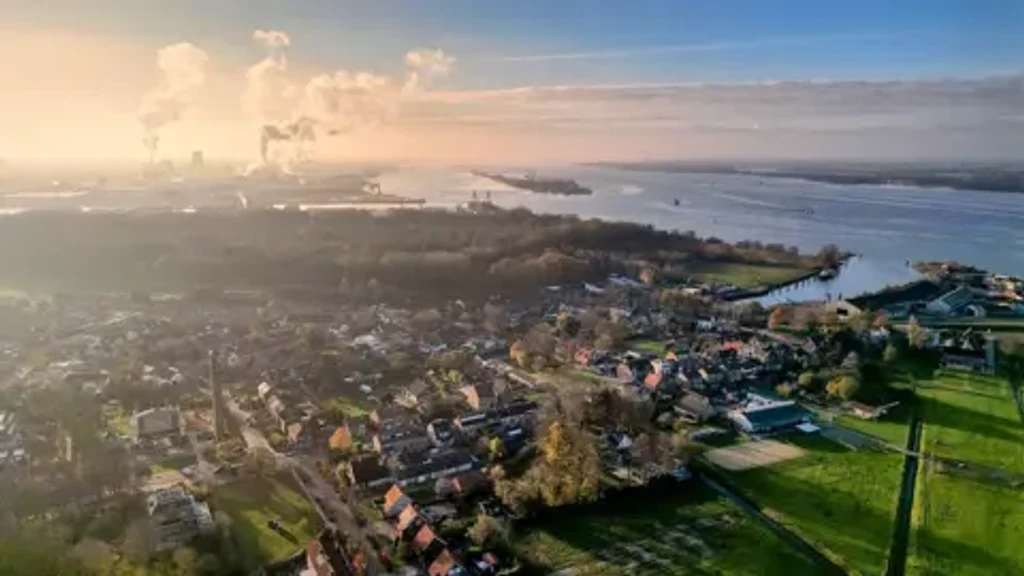
A Dutch village of approximately 1,100 residents, Moerdijk, is facing the threat of demolition within the next decade. The village, located south of Rotterdam, is situated on a critical site for the Netherlands' green energy transition. Officials cite the need for large new areas to build high-voltage substations, essential for connecting electricity from offshore wind farms to the national grid. Moerdijk's strategic location, adjacent to ports, motorways, and existing power lines, makes it an ideal, albeit controversial, choice for this infrastructure.
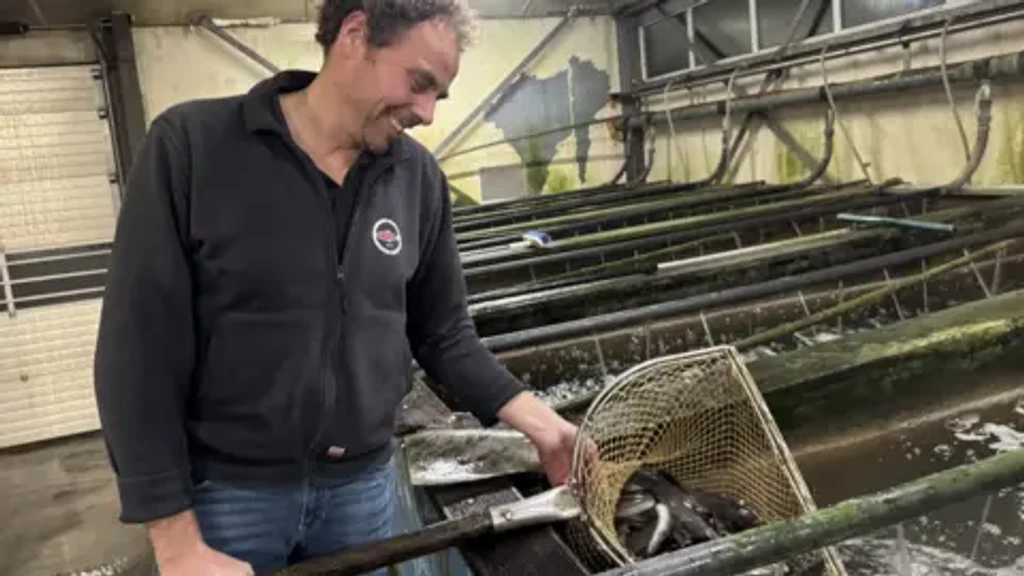
Residents like fishmonger Jaco Koman, whose family has fished in the area since 1918, express shock and dismay. Koman highlights the deep-water and open land that sustain his thriving eel business are precisely what make Moerdijk attractive to planners. He questions why the burden of this energy transition must fall on his community, suggesting alternatives like converter stations further offshore.
The unease is palpable, with many homes for sale but few buyers due to the looming uncertainty. Local shop owner Andrea fears losing her home, built by her husband, and worries about the fate of family graves in the village cemetery.
This dilemma reflects broader challenges in the densely populated Netherlands, balancing land use for housing, farming, nature, industry, and now, vital renewable energy infrastructure. The national government's authority in declaring "vital national interest" means local objections may ultimately be overruled, despite significant political and financial costs.
Professor Geerten Boogaard of Leiden University notes this clash represents two distinct ways of life: a close-knit community versus a nation undergoing an energy system transformation. The government is considering sacrificing Moerdijk to avoid disrupting four other villages, with plans including not only power facilities but also hydrogen production factories.

The decision, postponed but expected soon, involves acquiring approximately 450 hectares of land. The municipality is seeking guarantees on timing and compensation. The fate of Moerdijk is a stark test of what a government is willing to sacrifice for energy security and sustainability, impacting the lives of its residents who face the immediate reality of losing their homes and community.