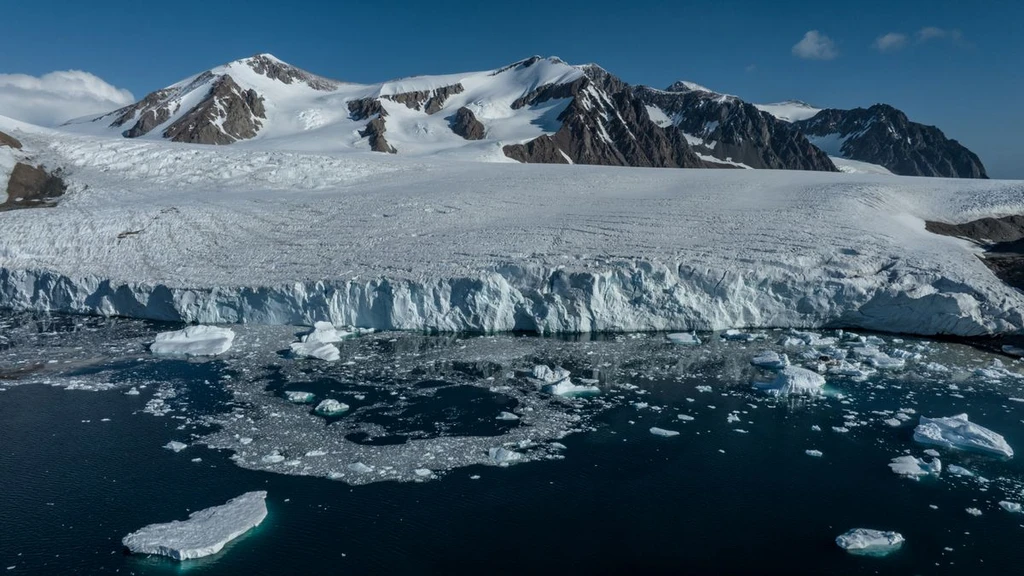
For decades, Antarctic sea ice expanded, defying global warming trends. However, around 2016, it began a sudden and dramatic contraction, failing to recover. Scientists now attribute this shift to a complex interplay of ocean salinity, intensified winds, and oceanic heat.
New research, utilizing data from deep-diving robots, highlights the crucial role of ocean stratification. Prior to the decline, increased precipitation made surface waters fresher, trapping warmer, saltier waters below. This prevented heat from reaching the surface, allowing sea ice to form. However, intensified and shifting winds, likely influenced by climate change, began pushing surface waters away from the continent and churning up this stored heat.
This 'violent release' of heat, as described by lead author Earle Wilson, a polar oceanographer at Stanford University, is a primary driver of the sea ice loss. The powerful winds not only brought warmer waters to the surface but also likely contributed to breaking up existing ice formations.
The consequences of this shrinking sea ice extend far beyond the Antarctic region. The stability of the continent's massive ice sheet, which could raise global sea levels by an alarming 190 feet if it melted, is linked to floating ice shelves. These shelves are already threatened by warming oceans and underwater storms. The loss of protective sea ice diminishes a crucial buffer, leaving them more vulnerable and accelerating the potential melt of the ice sheet.
While the exact balance between natural variability and human-induced climate change driving these wind shifts is still under investigation, the observed changes since 2016 are significant. Researchers are now focused on refining climate models to better predict future changes in Antarctic waters and their impact on global sea levels, though the long-term trend for sea ice is expected to be negative.