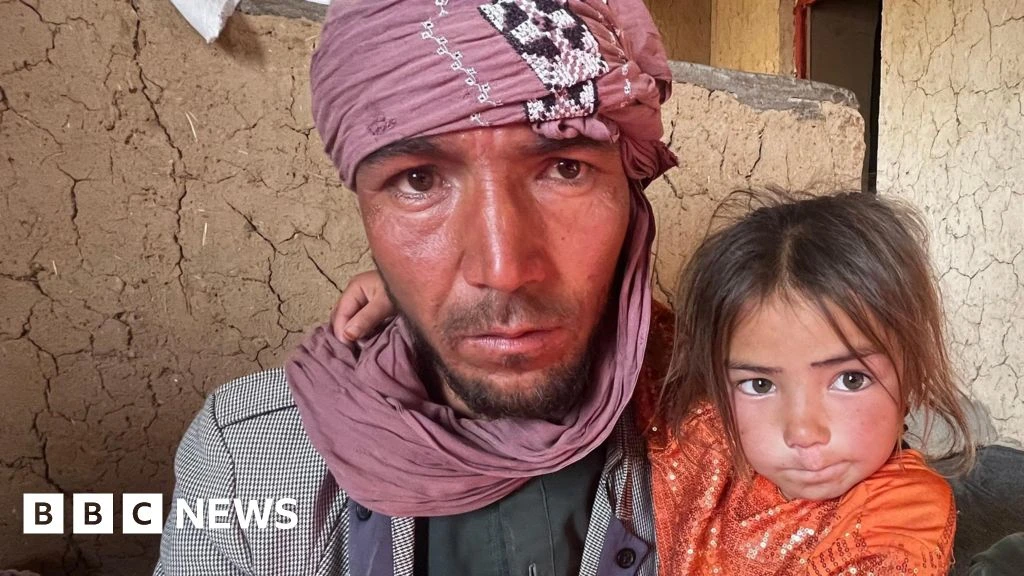
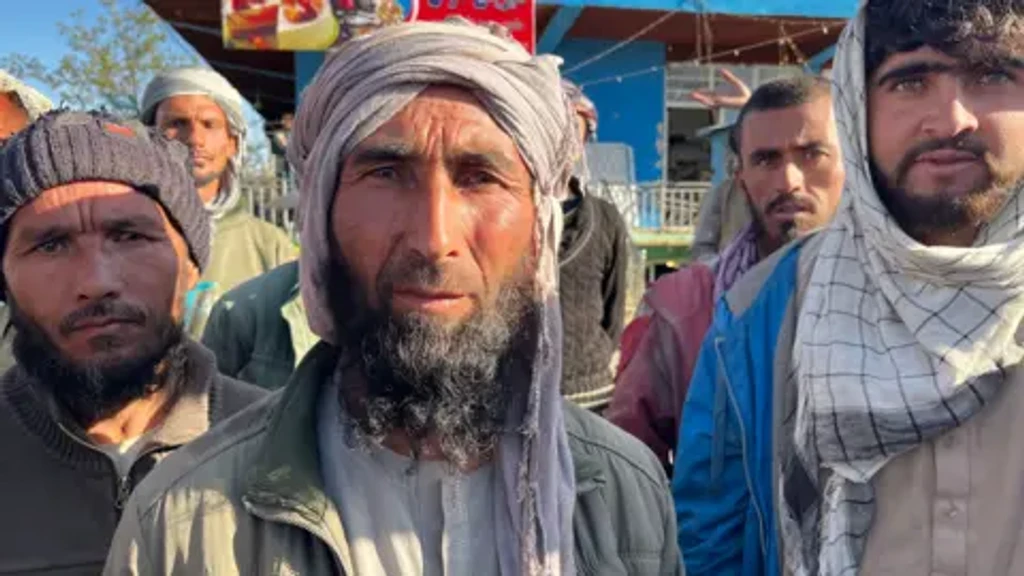
As dawn breaks in Chaghcharan, capital of Afghanistan's Ghor province, hundreds of men gather at a dusty square, hoping for a day's work to feed their families. The likelihood is low: Juma Khan, 45, has found just three days of work in six weeks, earning $2-$3 per day. "My children went to bed hungry three nights in a row," he says. "I live in fear that my children will die of hunger."
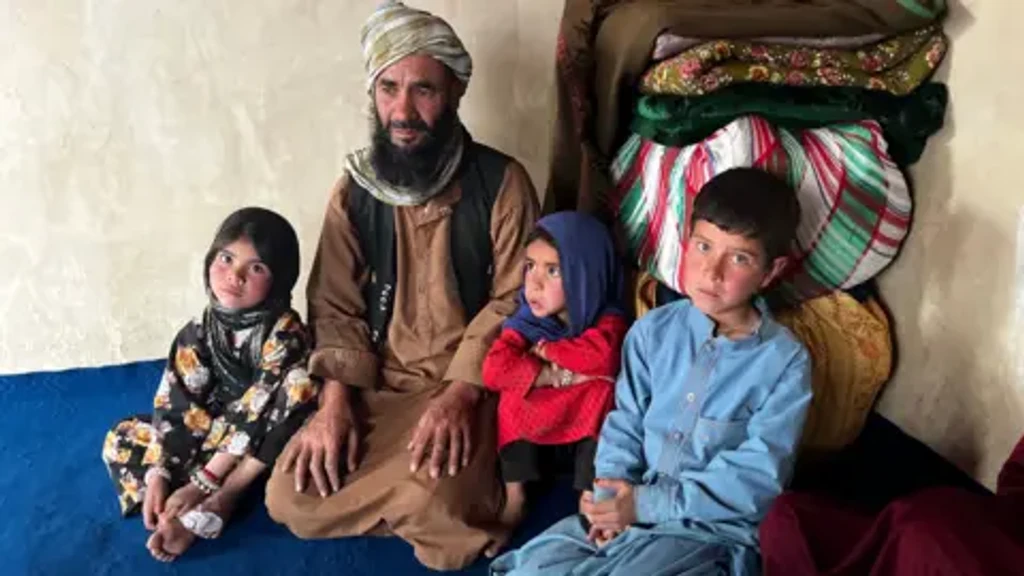
Abdul Rashid Azimi weeps as he explains his unbearable choice. "I'm willing to sell my daughters," he says, holding his seven-year-old twins Roqia and Rohila. "It breaks my heart, but it's the only way to feed my other children." His wife Kayhan says all they have to eat is bread and hot water.
Saeed Ahmad has already sold his five-year-old daughter, Shaiqa, for 200,000 Afghani ($3,200) to pay for her emergency appendectomy. Under the deal, she will leave to live with a relative in five years. "If I had money, I would never have taken this decision," he says. "But this way at least she will be alive."
The crisis stems from a catastrophic collapse in aid. The US-once the top donor-cut nearly all assistance last year; many others, including the UK, have also reduced contributions. Current UN figures show aid received so far this year is 70% lower than in 2025. Severe drought has affected more than half the provinces.
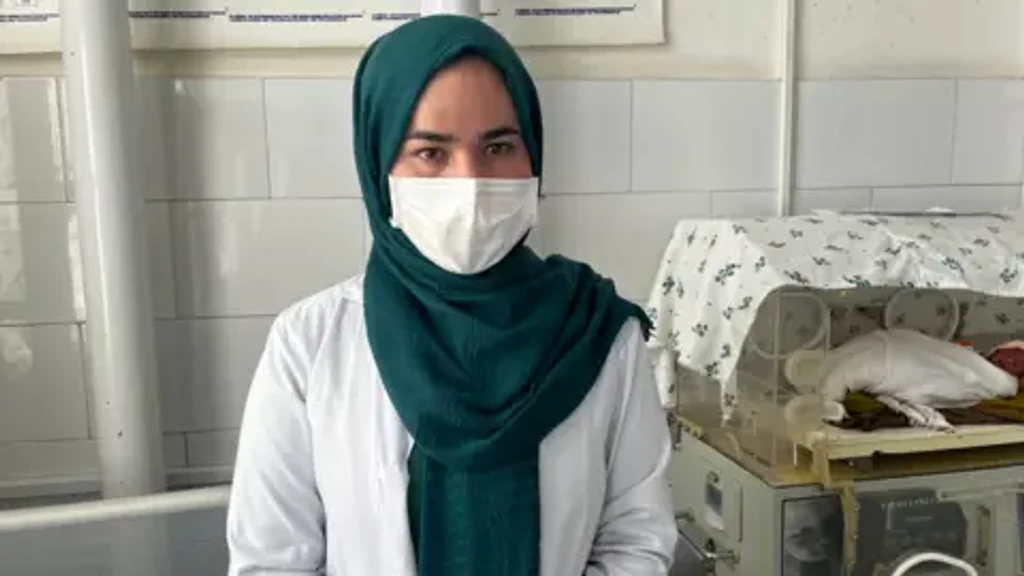
In the neonatal unit of the main hospital, every bed is full, most with underweight babies struggling to breathe. Nurse Fatima Husseini says infant deaths have become "almost normal." Dr. Muhammad Mosa Oldat says mortality rates reach 10%-"not acceptable"-due to poverty and lack of resources. The hospital often lacks medicine, forcing families to buy their own or rely on leftovers from wealthier patients.
Mohammad Hashem lost his 14-month-old daughter to hunger and lack of medicine. In the local graveyard, our team counted roughly twice as many small graves as large ones, suggesting child deaths now exceed adult deaths. A government spokesman blamed the previous administration and said long-term mining and infrastructure projects are planned-but for millions, help cannot wait.