ASEAN economic ministers are set to address the widening Middle East conflict this Friday, with foreign ministers holding a separate virtual meeting to confront a deepening crisis impacting global markets. The Philippines, chairing ASEAN this year, is hosting these discussions to assess responses to soaring oil prices and disruptions to regional trade flows.
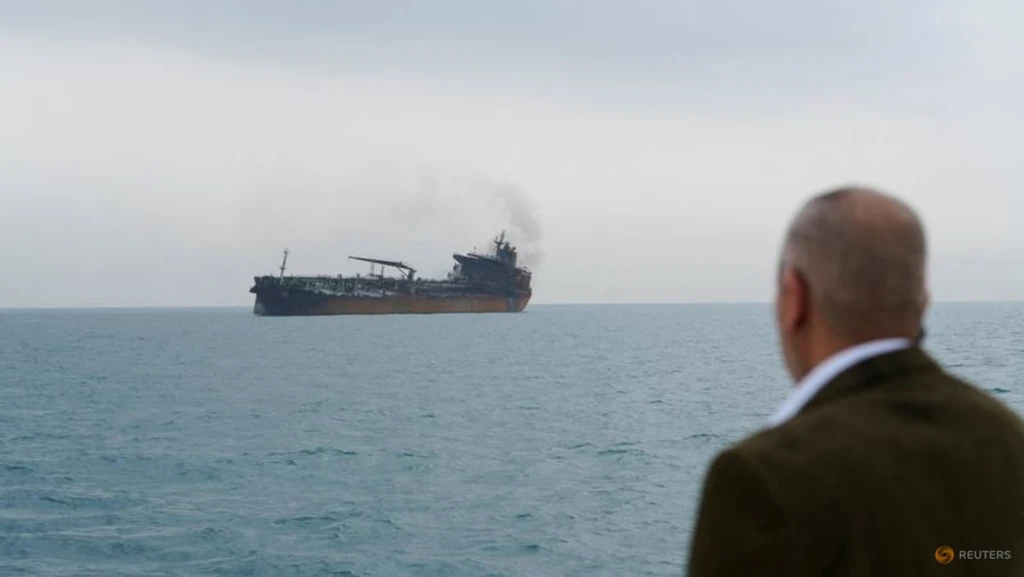
Philippine trade undersecretary Allan Gepty stated the region cannot ignore the crisis's effects on inflation and jobs. Joint United States and Israeli strikes on Iran have disrupted global energy markets and transport, effectively shutting down the Strait of Hormuz, a critical chokepoint for oil and LNG. This has sent crude prices above $100 a barrel.
Several ASEAN nations are implementing measures to mitigate the impact. The Philippines has shortened its work week to conserve fuel and seeks authority to suspend fuel excise taxes. Vietnam has cut retail fuel prices but warns of continued volatility. Thailand has halted energy exports to most neighboring countries.
ASEAN foreign ministers have called the conflict escalation "particularly regrettable" and urged an immediate cessation of hostilities, emphasizing restraint, civilian protection, and dialogue.