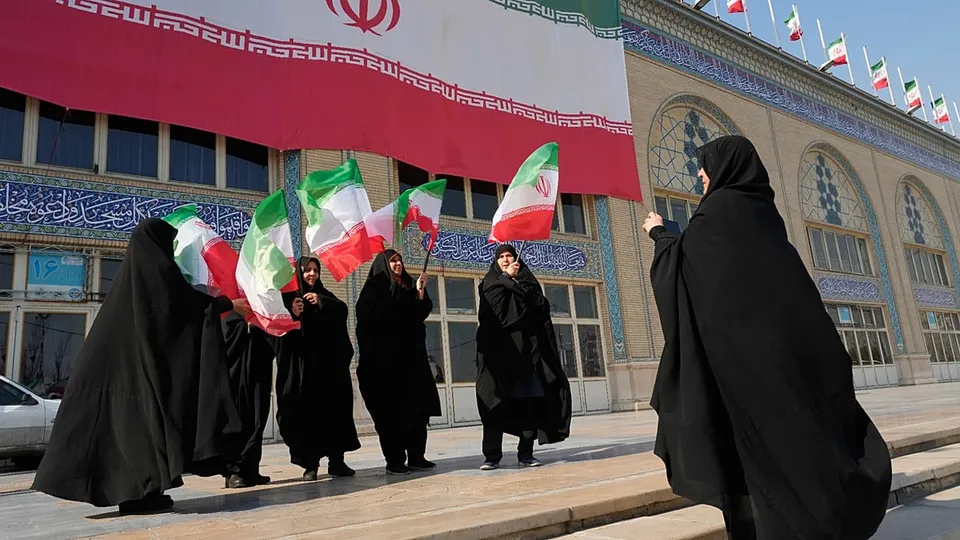
Iranian President Masoud Pezeshkian stated Iran will not yield to international pressure as nuclear talks with the United States proceed. "World powers are lining up to force us to bow our heads... but we will not bow our heads despite all the problems that they are creating for us," Pezeshkian declared during a state TV broadcast.
Concurrently, reports indicate renewed anti-government student protests in Tehran. Demonstrators are voicing dissent over the thousands killed during recent clashes. Videos from Tehran's engineering university show protesters chanting "disgraceful" and engaging in altercations. These demonstrations mark 40 days since the deaths, a period of mourning in Shiite tradition.
The unrest, which began in December amid financial hardship, escalated into mass anti-government demonstrations. Rights groups report a violent crackdown by security forces resulted in thousands of deaths. Iranian authorities acknowledge over 3,000 fatalities, attributing the violence to "terrorist acts." However, US-based Human Rights Activists News Agency claims over 7,000 people were killed.
Adding to the regional tension, the US has deployed forces in the Middle East and is engaged in nuclear program negotiations with Iran. US President Donald Trump has previously threatened military action. US military aircraft have been observed at air bases, and the aircraft carrier USS Gerald R. Ford has transited the Strait of Gibraltar. Bulgaria's Sofia airport has announced temporary closures for military flights. Several countries, including Sweden, Serbia, and Australia, have advised their citizens to leave Iran due to the deteriorating security situation.