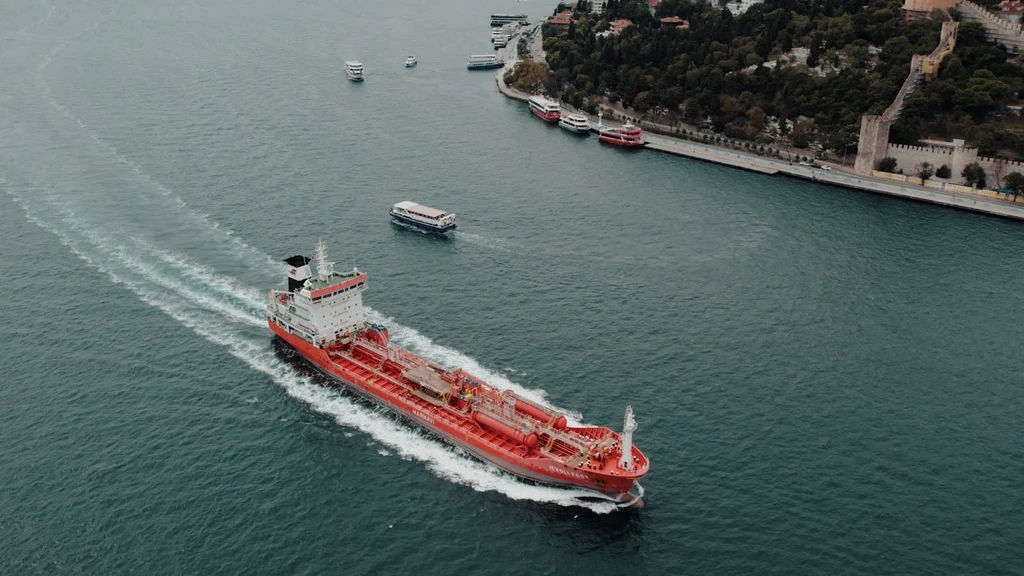
Brent crude has crossed $100 per barrel, with the Strait of Hormuz becoming the central factor in energy markets. Nearly 15 million barrels of crude and 20% of global LNG flow through the strait daily, making it a critical bottleneck for global trade.
The shift reflects growing concerns over sustained disruption, not just temporary threats. Insurance premiums for tanker voyages have surged, signaling long-term risk repricing. Goldman Sachs recently raised its 2026 Brent forecast to $85, citing the strait as the largest supply shock in recent history.
The VIX, a measure of equity market fear, spiked 10% as oil prices crossed $100, highlighting the broader macroeconomic impact. The diplomatic void and geopolitical tensions have left markets recalibrating, with oil prices holding above $100 despite uncertainty.
The cost of higher oil is uneven: net exporters like Saudi Arabia benefit, while import-dependent nations face fiscal strain. OPEC+ faces an impossible position, as production cuts cannot offset the physical constraints of the strait.
A bypass pipeline from Saudi Arabia to Yanbu offers partial relief but remains vulnerable to other regional risks. The recalibration of the oil market reflects a structural shift, not a fleeting crisis.