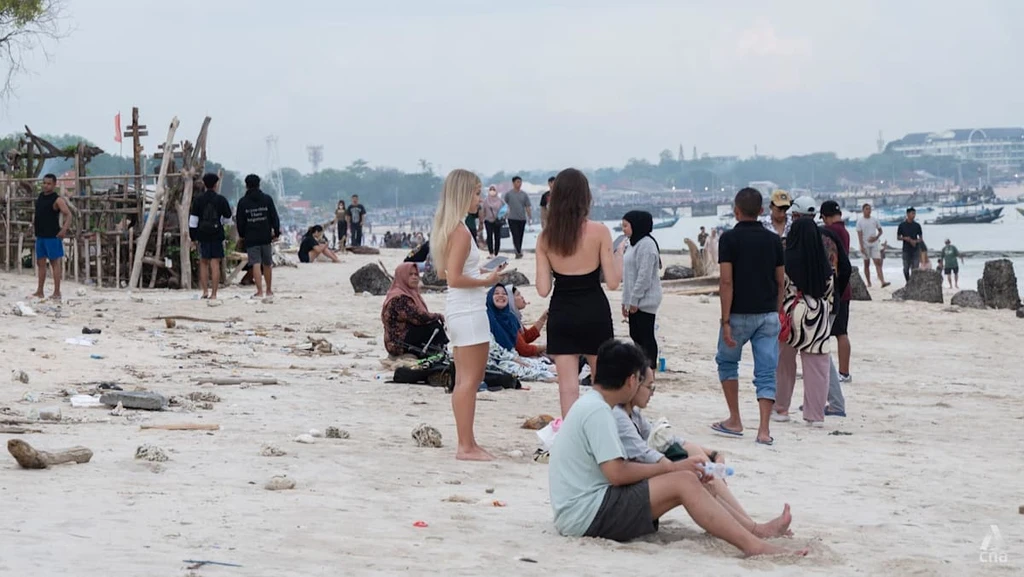
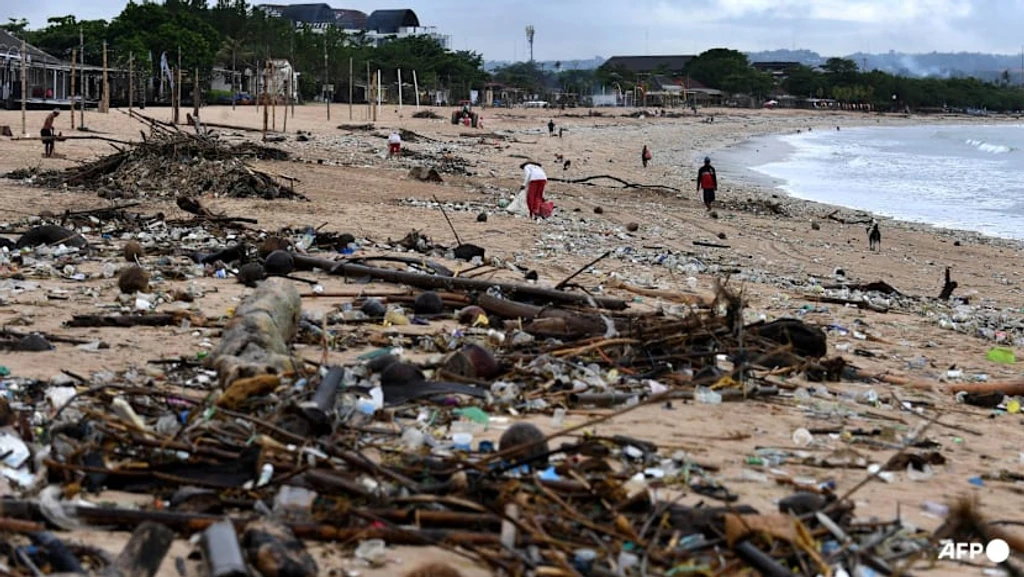
Bali, Indonesia's resort island known for its natural beauty, is grappling with a mounting waste crisis after its largest landfill was closed to organic waste on April 1. Trash now piles up on streets and beaches, attracting rats and forcing frustrated residents to burn it, creating acrid smoke and health concerns.
"As a business owner, this is a real nuisance," said Yuvita Anggi Prinanda, a flower seller in Bali. She pays a private company to remove trash from her stall. Some customers, bothered by the smell, left without buying. Her shop generates about four large bags of waste daily, mostly leaves and cuttings, adding to Bali's estimated 3,400 tonnes of daily garbage.
At Kuta Beach, a popular tourist spot, rubbish bags pile waist-high in a parking lot. "You have many rats here at nighttime. The smell is not very good ... it's not a good look," said Australian visitor Justin Butcher.
Bali hosts about 7 million tourists annually, far outnumbering its native population of 4.4 million. Offenders caught dumping or burning rubbish face up to three months in jail or a $3,000 fine. On April 16, hundreds of sanitation workers protested at the governor's office. "If we don't collect our client's rubbish, we are in the wrong, if we collect it, where do we dispose it?" said protester I Wayan Tedi Brahmana.
The government temporarily allowed limited waste disposal at Suwung landfill until end of July. But from August, it vows to end all open landfills nationwide, though alternatives remain unclear.
Waste management expert Nur Azizah of Gadjah Mada University says Suwung has been over capacity for years, receiving 1,000 tonnes daily. Up to 70% is organic waste, which generates methane and poses explosion risks-a March collapse at Indonesia's largest landfill killed seven people. She urges mass education on composting.
Indonesia's 284 million people produce over 40 million tonnes of rubbish yearly, nearly 40% food waste and 20% plastic. Only about a third is recycled or processed, according to Nur. The rest ends up in nature. Fewer than a third of the country's 485 landfills have closed since the 2013 ban on open dumping.
The government plans to break ground on waste-to-energy projects in June, including one in Bali processing 1,200 tonnes daily, but these could take years.