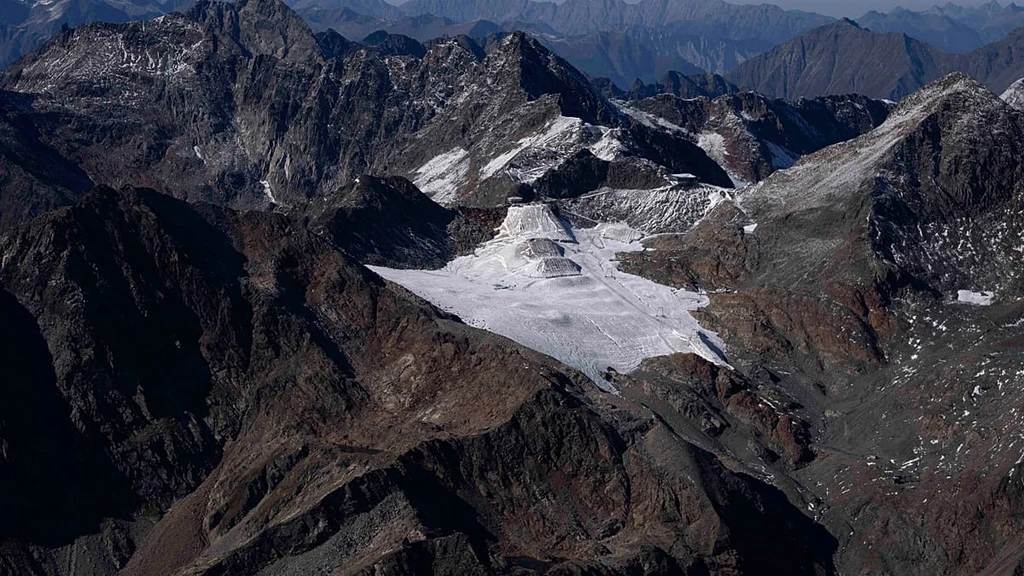
All but two of Austria’s 96 glaciers have retreated over the last two years, monitors reported March 13, highlighting the severe impact of climate change.
The Austrian Alpine Club's latest report indicates the Alpeiner Ferner in Tyrol and Stubacher Sonnblickkees in Salzburg experienced the most significant loss, each retreating over 100 meters, with an average retreat exceeding 20 meters.
Austria's largest glacier, the Pasterze, is also showing signs of disintegration, making climate change consequences starkly visible. The long-term trend confirms Austrian glaciers continue to shrink significantly in length, area, and volume.
The retreat of European glaciers has vast implications for drinking water, power generation, agriculture, and infrastructure. Neighboring Switzerland has reported similar trends, with its glaciers shrinking by a quarter since 2015.
Factors contributing to this rapid retreat include low snowfall and exceptionally warm temperatures, including a June last year nearly 5°C above average.
“The glaciers are melting - and with every new report, the urgency grows,” stated club vice president Nicole Slupetzky. “It’s no longer a question of whether we can still save the glaciers in their old form; it’s about mitigating the consequences for ourselves.”
These changes in the Alps serve as a critical wake-up call for policymakers and the public regarding behavior, the club argues. While the current rate of retreat is lower than the previous two years, it still ranks as the eighth-largest retreat in 135 years of measurements.