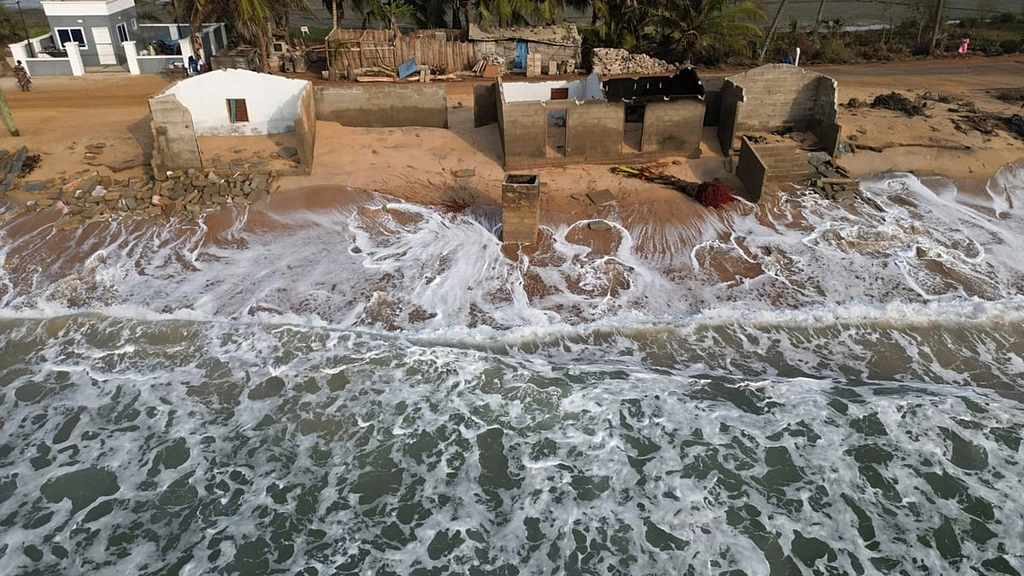
Extreme flooding in coastal communities is no longer a rarity. According to new research published June 10 in Nature Climate Change, events that historically carried a one percent annual chance of occurrence are now approximately 12 times more likely. Human-driven climate change accounts for roughly four of those increases.
These catastrophic floods result from the convergence of high tides, storm surges, and already elevated sea levels. The study analyzed tide gauge data from over 100 global sites between 1900 and 2005, concluding that since the 1960s, anthropogenic warming has been the primary catalyst for rising seas.

Sönke Dangendorf, lead author and associate professor at Tulane University, identifies the burning of fossil fuels as the dominant factor behind this trend. "Since the 1970s, it’s by far the dominating factor," Dangendorf stated. "This is of course not good news."
A companion study in Science Advances corroborates these findings, noting that climate change nearly tripled the frequency of extreme ocean height days since the 1970s. Ben Strauss, chief scientist at Climate Central, emphasized the inescapable link: "Essentially every coastal flood today has human fingerprints on it through climate change."
The implications for infrastructure planning are severe. Jeff Williams, a retired US Geological Survey oceanographer, warned that current protections in cities like New Orleans will likely be inadequate within two decades. While global renewable energy adoption is accelerating-with clean power exceeding overall demand growth last year-scientists caution that the window for mitigation is narrowing.
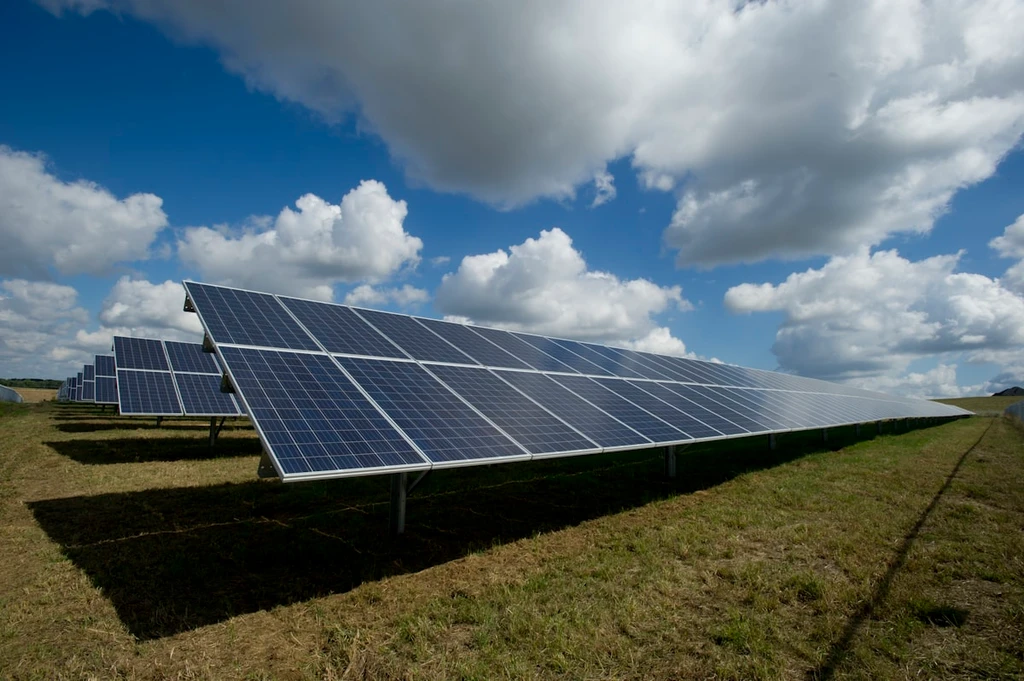
Despite the grim outlook, Dangendorf notes a critical variable remains under human control: emission levels. "We can stop that development, at least to some degree," he said. As coal power declines and solar capacity grows, particularly in the US, the trajectory of future warming remains uncertain but heavily influenced by immediate policy decisions regarding greenhouse gas output.