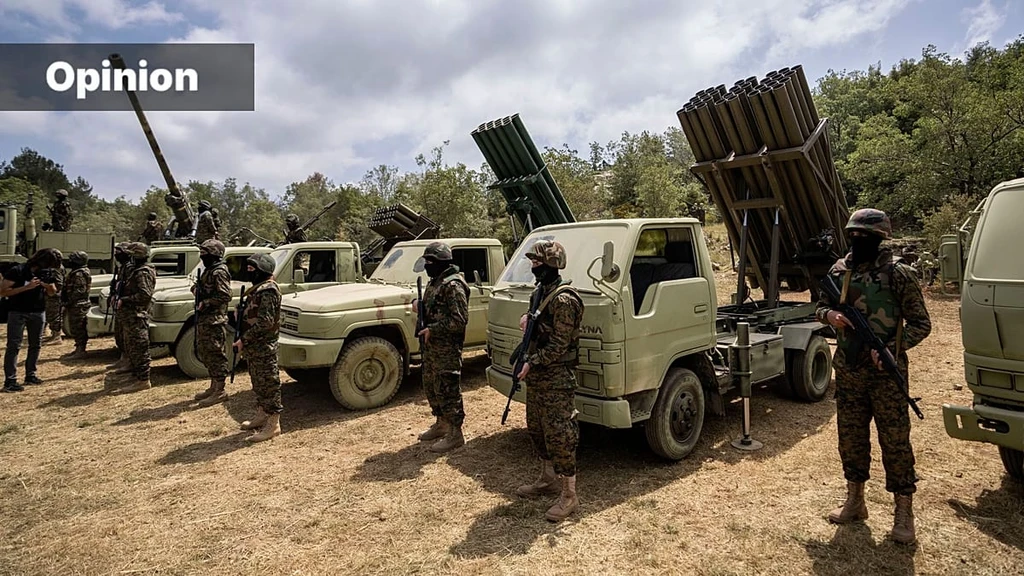
Hezbollah’s resilience stems from a powerful ecosystem of financial, political, and military control within Lebanon.
Despite Israeli airstrikes and a 2024 ceasefire, Iran funneled nearly $1 billion to Hezbollah through oil revenues, enabling rapid arsenal reconstruction.
The group launched rockets into northern Israel not to retaliate, but to force Israel into a two-front war-diverting attention from Iran.
Hezbollah now operates as an extension of Iran’s strategic interests, with IRGC commanders directing operations after key Hezbollah leadership was eliminated.
Israel sees no resolution short of complete disarmament. Lebanese forces have failed to enforce the ceasefire, and Hezbollah remains entrenched in ports, security agencies, and decision-making institutions.
Lebanese leaders must act decisively: seize illegal arms, deploy the armed forces in contested zones, expel the Iranian ambassador, and remove Hezbollah ministers.
President Joseph Aoun has called for direct talks with Israel, proposing a permanent security agreement-an unprecedented move backed by EU officials.
Without sovereignty-driven action in Beirut or regime change in Tehran, lasting peace remains unattainable.