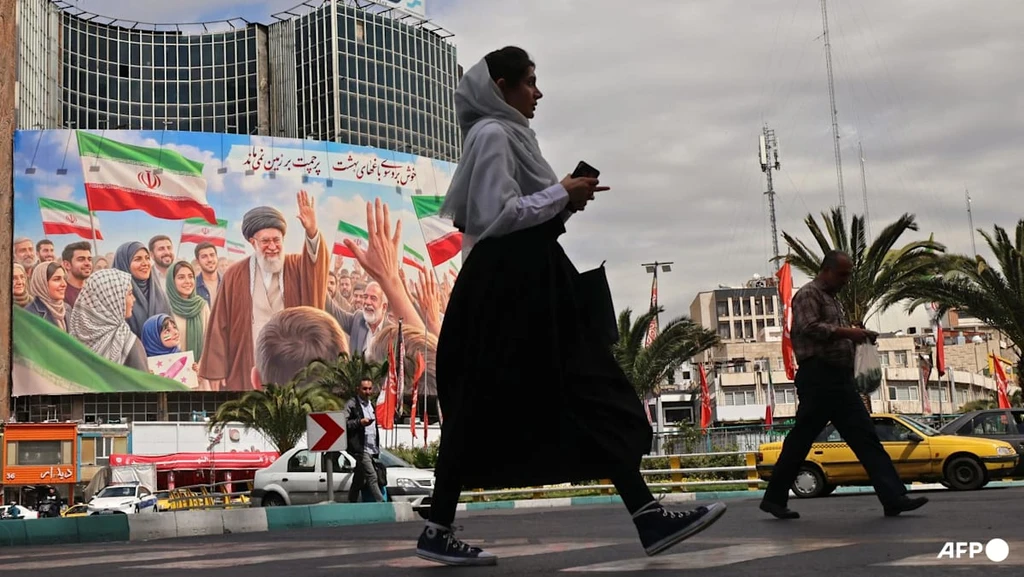
The Middle East remains in a precarious state, with no nuclear deal in sight and warring factions far apart. Logically, markets anticipate an end to the current conflict, given the slim prospects of decisive victory for either side and the ruinous costs of continued fighting.
However, the current reality is far from this logical projection. The region lacks the strategic leadership and courage for compromise seen in past diplomatic triumphs. In Tehran, power is concentrated with the Islamic Revolutionary Guard Corps (IRGC) generals, not the elected officials engaged in talks. Similarly, Israeli Prime Minister Benjamin Netanyahu agreed to negotiations under US pressure, while President Donald Trump appears to be operating on an altered reality, envisioning a triumphant personal victory.
The situation is inherently unstable, as demonstrated by recent events in the Strait of Hormuz. Conflicting statements and actions between the US and Iran, coupled with internal power struggles within Tehran, underscore the deep divisions. Despite Trump's claims of progress and Iranian concessions, the reality is that Iran has not undergone regime change, and hardliners within the IRGC maintain significant control.
With no clear decision-maker in Tehran after the death of former Supreme Leader Ali Khamenei, and Iran reportedly rebuilding its missile capabilities, a return to full-scale war remains a distinct possibility. While logic dictates a settlement is necessary, the current climate, driven by what the article terms "Trumpian" and IRGC fantasies of victory, makes a peaceful resolution increasingly unlikely.