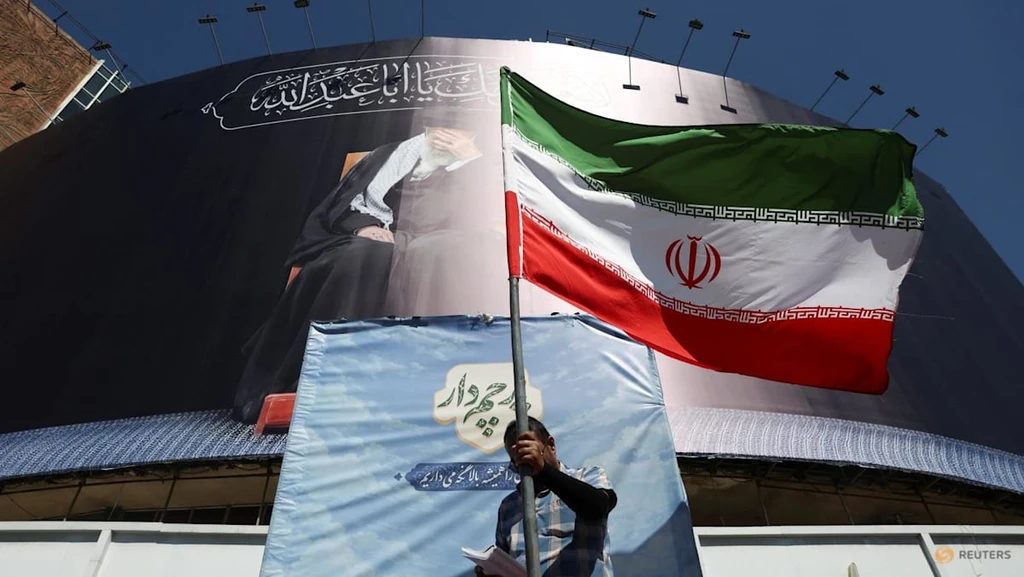
The United States and Iran announced a preliminary agreement to end their months-long war, with a memorandum of understanding set for signing on Friday in Switzerland. The conflict, which began in late February, killed thousands and saw global energy prices skyrocket after Iran blockaded the Strait of Hormuz and the US responded with a naval blockade of Iranian ports.
Both parties confirmed the vital oil artery will reopen, but the terms remain contentious. Iran seeks to charge tolls for passage in what is considered international waters, while the US previously demanded toll-free transit. It also remains unclear who will demine the strait.
The most contentious issue, Tehran's nuclear program, is deferred. The deal triggers a 60-day negotiation period for the fate of Iran's uranium stockpile, which is near bomb-grade purity. US officials say the program must be dismantled. Iranian officials counter that the draft deal allows them to dilute and retain enriched uranium domestically. Analysts noted a "deafening silence" on enforcement and verification mechanisms.
Sanctions relief is also on the table but tied to nuclear concessions. The US will begin releasing frozen Iranian assets and waiving oil sanctions in phases. However, disagreements persist on war reparations and a related ceasefire in Lebanon, where Israel continues to strike Hezbollah. Analysts warn that Israel, which opposes the framework, remains a potential spoiler that could jeopardize the fragile truce.