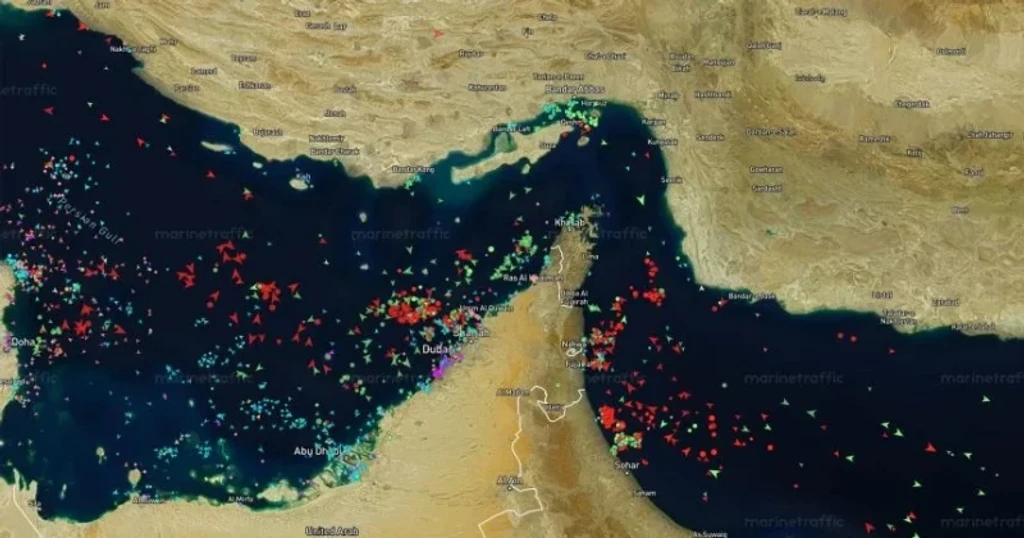
Citadel Securities warns the market is underpricing a potential reopening of the Strait of Hormuz. The firm argues investors are too pessimistic about a negotiated resolution to the US-Iran conflict that closed the strait, which normally carries 21 million barrels of oil daily-21% of global supply.
Iran’s closure caused oil prices to spike above $90 a barrel, intensifying global inflation and hurting growth forecasts. Daily vessel traffic dropped from 138 ships to as few as 2. But Citadel says Iran has huge economic incentives to reopen, as transit fees provide fast revenue for its ravaged economy.
Since Citadel published its analysis on April 4, the NDX index has climbed 13%, suggesting some investors are starting to agree.
Bitcoin as a Toll Booth Currency
Iran reportedly plans to impose a $1-per-barrel transit toll on tankers, payable in Bitcoin or USDT. With 21 million barrels moving daily, that’s $21 million in daily toll revenue in crypto. Crypto markets have already reacted: Bitcoin rose about 3%, and the overall digital asset market added $75 billion in value.
The choice of Bitcoin and USDT is strategic for a sanctioned nation, offering a payment rail that bypasses SWIFT and correspondent banking.
Market Implications
A negotiated reopening would moderate oil prices, removing a major inflationary catalyst. This has already boosted equity markets, with the NDX up 13%. For crypto, the toll mechanism creates recurring demand from tanker operators needing to acquire and custody crypto.
But risks remain. Ceasefire talks are encouraging, but negotiations in the region often collapse. And the US may object to a sanctioned nation collecting crypto tolls on a waterway historically patrolled by the US Navy.