Canada is pursuing the revocation of citizenship for Tahawwur Rana Hussain, a Pakistan-born businessman accused of significant involvement in the 2008 Mumbai terrorist attacks that killed 166 people.
Immigration officials notified Hussain, who became a Canadian citizen in 2001, of their intent to strip him of his nationality. The 65-year-old, who immigrated to Canada in 1997, was previously convicted in the U.S. for plotting an attack on a Danish newspaper. He is currently detained in India, facing charges related to facilitating the Mumbai assault by the Pakistani terror group Lashkar-e-Tayyiba.
However, the grounds for citizenship revocation cited by Immigration, Refugees and Citizenship Canada (IRCC) are not terrorism-related but rather allegations of lying on his citizenship application. Hussain reportedly claimed to have lived in Canada for four years prior to his 2000 application with minimal absence, while an RCMP investigation concluded he spent most of that time in Chicago.
The IRCC described his actions as "a serious and deliberate deception" and a "lack of respect for the citizenship laws of Canada." The government is referring the case to the Federal Court for a final decision on whether citizenship was obtained through false representation or fraud.
Hussain's lawyer has appealed the decision, contesting its fairness and alleging rights violations. Government lawyers have requested permission to withhold sensitive national security information from the court proceedings.
Cancelling citizenship for misrepresentation is described by the immigration department as a critical tool for upholding the integrity of Canadian citizenship, with the Federal Court holding the ultimate authority in such matters.
Historically, revoking citizenship for convicted terrorists was a contentious issue, with legislation allowing such actions for individuals with dual citizenship. While a previous government enacted this law, a subsequent administration repealed it, advocating that "a Canadian is a Canadian."
Despite this, the current government continues to pursue citizenship revocations on grounds of misrepresentation in cases involving terrorism allegations. This includes a review of a Toronto ISIS suspect and, in Hussain's case, re-initiating revocation proceedings that began under a previous administration.
Should his citizenship be revoked, Hussain would retain permanent resident status, allowing him to reapply for citizenship after ten years. However, he first faces a significant trial in India for his alleged role in the Mumbai attacks.
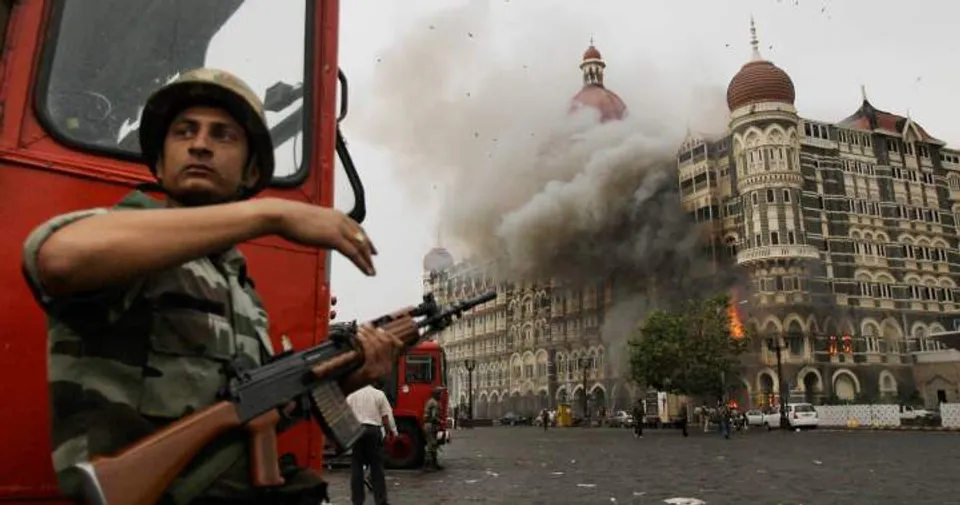
The 2008 siege in Mumbai, which targeted the Taj Mahal Palace Hotel and other locations, was one of the deadliest terrorist attacks in recent history, claiming the lives of two Canadians.
India has accused Hussain of providing a fabricated cover story to a childhood friend, Coleman Headley, to facilitate travel to Mumbai for reconnaissance on behalf of Lashkar-e-Tayyiba.
Hussain, a former member of the Pakistani military, immigrated to Canada in 1997. He was approved for citizenship in 2001, taking the oath after claiming to have resided in the country. Questions about his residency arose after his 2009 arrest in Chicago.
An investigation by Canada's immigration department, initiated after receiving information from U.S. authorities, concluded that Hussain had lied about his residency to obtain citizenship. A jury convicted him of planning attacks in Copenhagen and supporting Lashkar-e-Tayyiba, though he was acquitted of direct involvement in the Mumbai attack.
In 2020, as India requested Hussain's extradition for the Mumbai attack charges, Canadian immigration resumed efforts to revoke his citizenship. Hussain maintains he believed he met the residence requirements and did not knowingly conceal information.
In April 2025, Hussain was extradited to India, where he faces charges related to the Mumbai attack. He is described by U.S. officials as a "Canadian citizen and native of Pakistan."