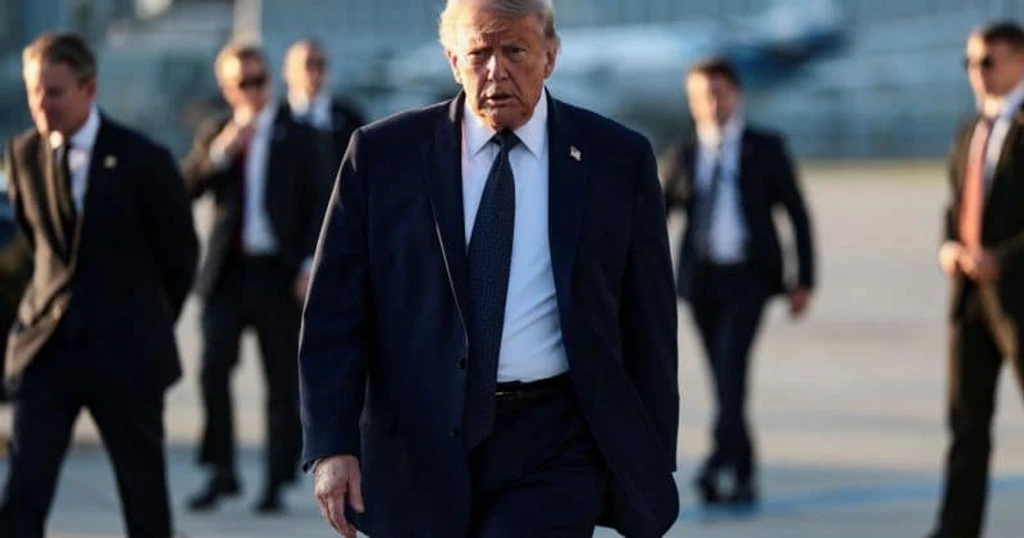
President Donald Trump signed a landmark memorandum of understanding with Iran on June 17, 2026, marking the most significant diplomatic breakthrough between Washington and Tehran in decades. Executed on the sidelines of the G7 summit in France, the agreement establishes a formal framework for ending hostilities that escalated throughout the year.
Iranian President Masoud Pezeshkian also signed the document, confirming mutual commitment to the peace process. The 14-point memorandum mandates the reopening of the Strait of Hormuz, a critical chokepoint for global oil transport. It further requires negotiations on Iran’s nuclear program and sanctions relief within a 30-to-60-day window.
Administration officials emphasize this is an interim step rather than a final peace treaty. The deal builds upon an April 2026 ceasefire and was facilitated by key negotiators Steve Witkoff and Jared Kushner. Discussions regarding a potential $300 billion reconstruction fund have also emerged as part of broader strategic talks.
Market implications are immediate, particularly for energy sectors reliant on the Strait of Hormuz. For financial markets, potential sanctions relief could alter regional capital flows. While digital assets were not explicitly discussed, any easing of restrictions may impact cryptocurrency dynamics historically linked to Iranian economic circumvention strategies.