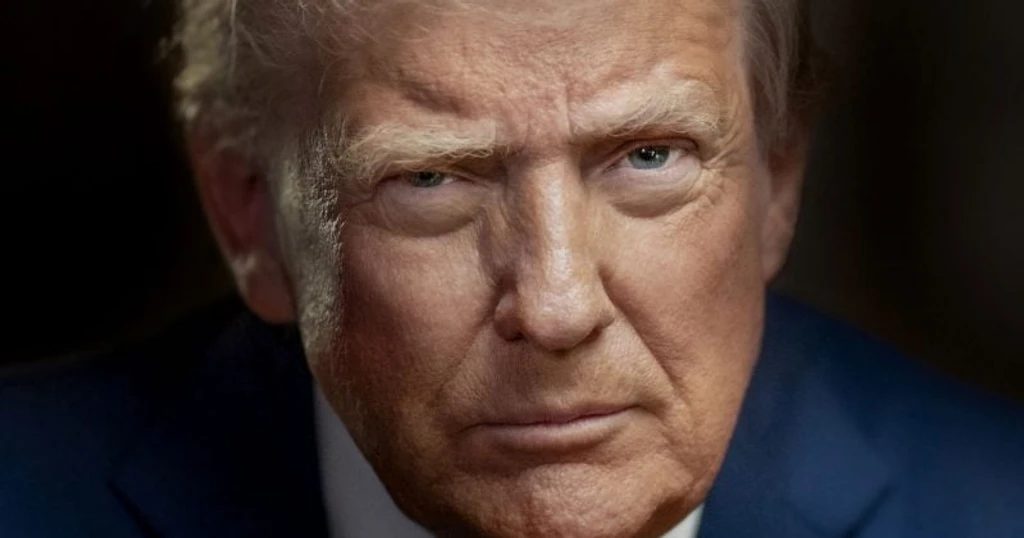
President Donald Trump has signed the Islamabad Memorandum, formally ending active military operations between the United States and Iran. Electronically executed in mid-June 2026, this agreement establishes an immediate cessation of hostilities and launches a structured 60-day negotiation period.
The talks will address Iran’s nuclear program, sanctions relief, and the critical reopening of the Strait of Hormuz. White House officials confirmed that envoys Steve Witkoff and Jared Kushner brokered the deal with Pakistan serving as mediator.
Roughly 20% of global oil and gas supplies transit the Strait of Hormuz. Its closure during the conflict triggered severe energy market volatility and downward revisions to global economic growth forecasts. The memorandum explicitly commits both nations to restoring passage through this vital waterway.
Financial markets reacted swiftly to the diplomatic breakthrough. WTI crude prices declined on reopening prospects, while Bitcoin previously surged past $82,000 amid early reports of progress. However, significant risk remains.
President Trump reserved the right to resume military action if Iran violates the terms. This conditional ceasefire creates a high-stakes timeline for investors, where any breakdown in negotiations or intelligence regarding nuclear activity could instantly reverse market gains.