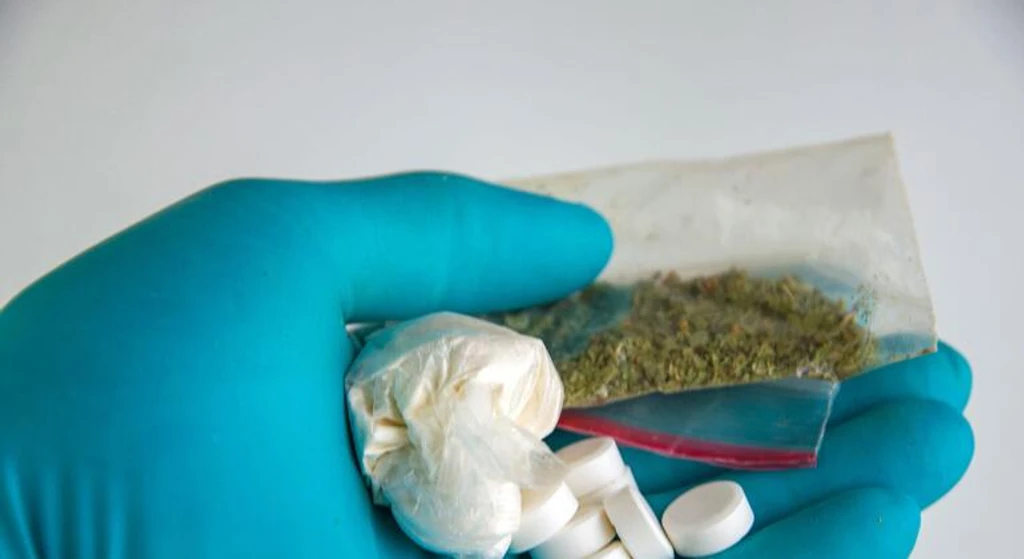
A new United Nations report reveals global drug use has reached a record high, with an estimated 331 million people using drugs in 2024. That figure represents 6.2 percent of the world's population aged 15 to 64, up from 5.2 percent a decade ago.
The report from the UN Office on Drugs and Crime (UNODC) identifies a major market shift: the rapid rise of synthetic opioids like fentanyls and nitazenes. This comes after Afghanistan's 2022 ban on opium cultivation, which sharply reduced illicit heroin production.
"The worry is really that synthetic opioids might replace heroin and lead to much more harm," said UNODC lead researcher Chloé Carpentier. Some of these synthetics are even more potent than fentanyl, creating unprecedented risks for users and first responders.
The diversification is stark. Authorities identified 755 new psychoactive substances in 2024, with the variety of drugs in seizures now five times higher than before the year 2000.
Beyond opioids, methamphetamine trafficking has expanded globally, with new routes into the Middle East, Africa, and Europe. Cannabis trafficking has also become more international.
The UNODC warns that drug harms are compounded by poverty, inequality, and conflict. Displaced populations are particularly vulnerable, often lacking access to treatment. International cooperation is called essential to address the increasingly complex and dangerous landscape.