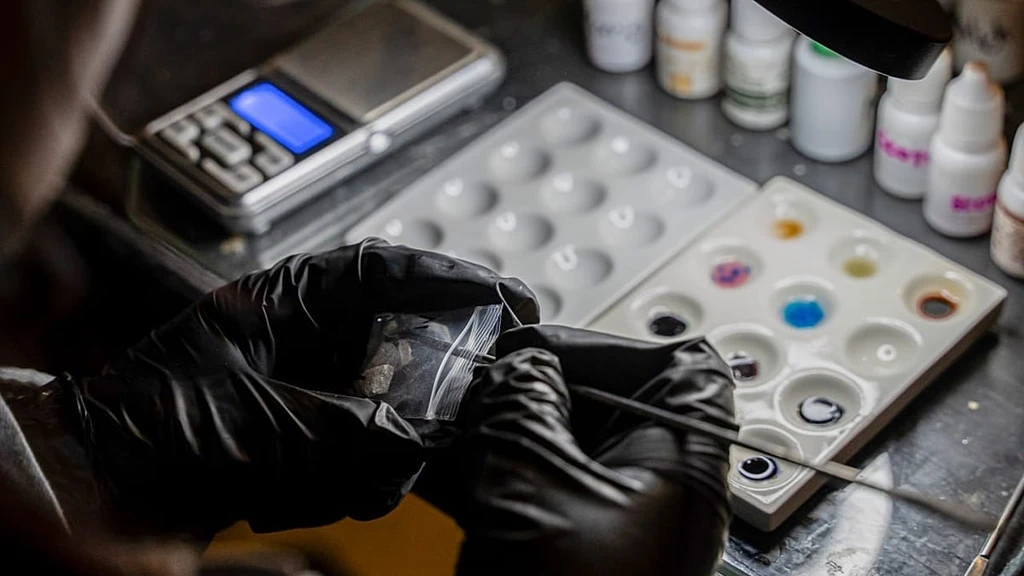
Synthetic drugs are rapidly altering global drug markets, introducing unpredictable health risks and increasing pressure on health systems worldwide. The World Health Organization highlighted substance use disorders as a major, expanding public health challenge.
Globally, approximately 300 million people used drugs last year, with an estimated 40-64 million living with drug use disorders. Annually, around 600,000 deaths are linked to drug use. Evidence-based prevention, treatment, and harm reduction strategies exist but remain underutilized due to barriers like stigma and criminalization.
In Central Asia, drug markets have shifted significantly. The decline in opium production has led to a rise in synthetic drugs, which are harder to control as they can be produced locally from precursor chemicals. Pharmaceutical misuse, including the non-medical use of tranquilizers and antidepressants, is also increasing, compounding health complexities.
Current health system responses, often designed for older drug types, are proving inadequate. Experts emphasize the need to integrate mental health, substance use, and infectious disease services, especially at the primary care level. Treatment must be voluntary, evidence-based, and human-rights grounded, moving away from purely punitive measures.
Uzbekistan is reorienting its approach, viewing drug use more as a health and social issue. The nation is focused on improving treatment and rehabilitation systems, integrating international medical experience, and providing comprehensive care. Uzbekistan has proposed establishing a Central Asian Association of Narcologists to enhance regional knowledge exchange.
Prevention, particularly for youth in the region's young population, is a critical focus. Engaging young people directly through evidence-based programs is seen as essential to raise awareness and equip them with skills to avoid risky behaviors.
The discussions in Samarkand signal a broader shift towards addressing the underlying health, social, and economic dimensions of drug use, rather than focusing solely on law enforcement. Adapting health systems and fostering international cooperation are key to managing evolving drug risks and protecting vulnerable populations.