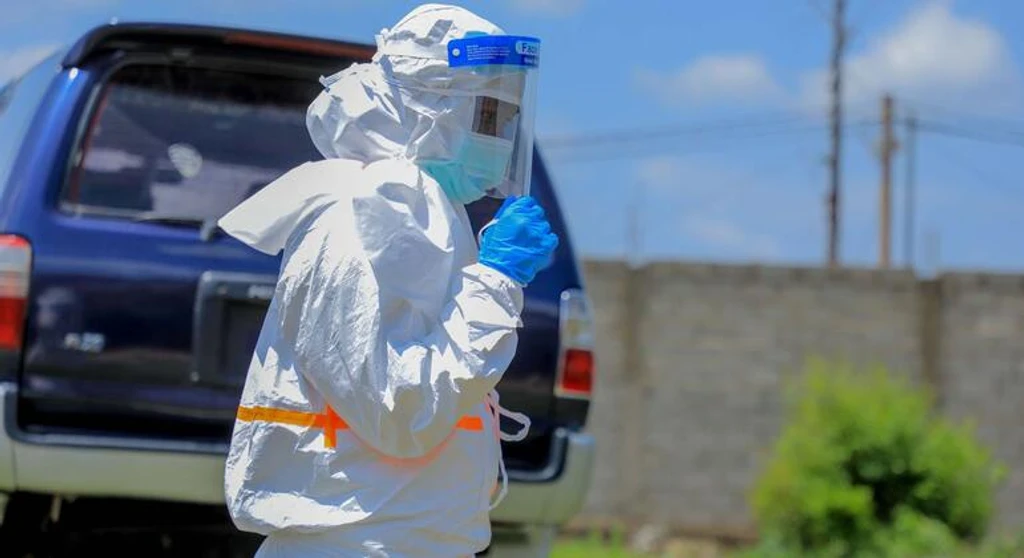
The World Health Organization warns that an outbreak of the Ebola Bundibugyo virus in the Democratic Republic of the Congo is becoming nearly impossible to contain due to active conflict, widespread hunger, and mass displacement.
WHO Director-General Tedros Adhanom Ghebreyesus stated: “We cannot build community trust or isolate the sick while bombs are falling.” The Bundibugyo strain, first identified in Uganda in 2007, has no approved vaccine or treatment.
DRC has reported nearly 1,000 suspected Ebola cases and more than 220 suspected deaths, though only one death has been laboratory confirmed. In neighboring Uganda, seven confirmed cases have been reported, including two healthcare workers and one death.
The outbreak is centered in Ituri province but has spread to 11 health zones, including North Kivu and South Kivu. Health officials report transmission through family clusters and health facilities.
Efforts to contain the outbreak are unfolding in one of the most volatile regions of eastern DRC, where multiple armed groups-including the Allied Democratic Forces, CODECO militias, and the Rwanda-backed M23-are active. Attacks on health facilities and population movements are hampering response efforts.
© MONUSCO/Abel Kavanagh
The violence has compounded a severe humanitarian crisis. Nearly 10 million people across Ituri, North Kivu, South Kivu, and Tanganyika face acute hunger between January and June 2026. Nationwide, an estimated 26.5 million people in DRC are experiencing high levels of acute food insecurity.
“Hunger and disease are old companions,” Tedros said. “People weakened by hunger are far more vulnerable to infections.”
WHO is deploying emergency personnel and medical supplies. The agency is also working with community leaders in Bunia to build trust and counter misinformation. Tedros appealed for an immediate ceasefire to allow humanitarian access.