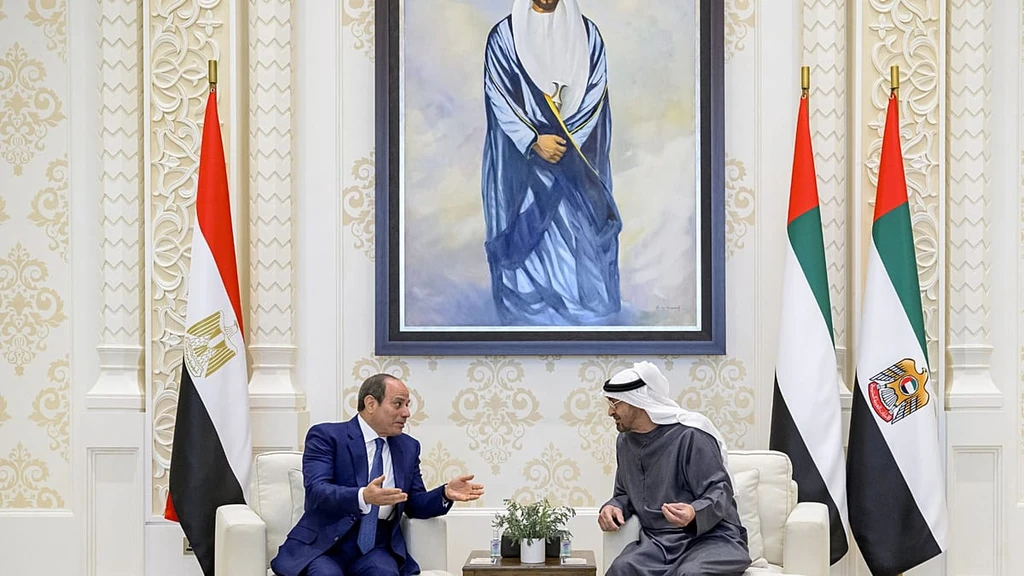
Egypt has intensified its diplomatic outreach amid rising regional tensions triggered by Iranian attacks on Gulf nations and retaliatory actions involving Israel and the U.S. President Abdel Fattah el-Sisi held high-level talks with leaders in the UAE and Qatar, emphasizing solidarity and mutual security.
Cairo condemned what it called "unacceptable and unjustified" strikes on Gulf countries while maintaining limited contact with Iranian officials to help contain escalation. Foreign Minister Badr Abdelatty warned the region is nearing a breaking point, urging restraint.
Despite increased engagement, analysts view Egypt’s role as tactical rather than transformative. H.A. Hellyer of the Royal United Services Institute described the effort as "useful convening, not mediation," noting Cairo lacks leverage over Tehran or Jerusalem.
Egypt is positioning itself as a diplomatic connector-facilitating Arab coordination and message relaying without committing to direct intervention or mediation. The strategy reflects a broader regional posture of engagement without risk-taking.
For now, Egypt avoids military involvement and refrains from confronting Iran directly, instead advocating for de-escalation and dialogue. Observers say its influence remains symbolic, aimed at preserving relevance in a rapidly shifting strategic landscape.