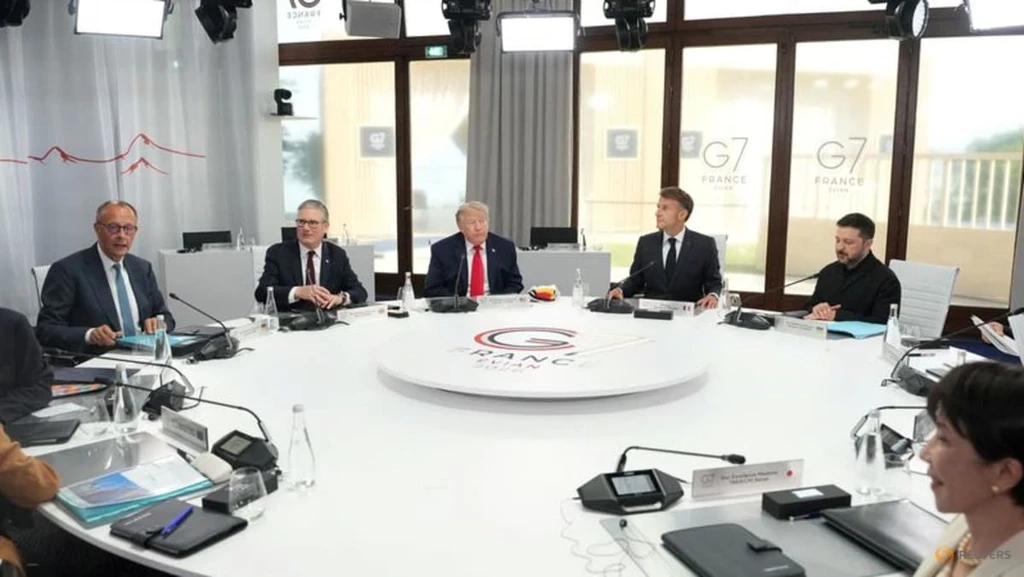
G7 leaders convened in Evian-les-Bains, France, demanding an immediate ceasefire in Lebanon while endorsing an interim agreement to end the US-Iran conflict. The summit focused on stabilizing the region and reducing global dependence on the Strait of Hormuz through diversified energy supply routes.
The US-Iran memorandum extends the current ceasefire by 60 days to facilitate negotiations toward a permanent settlement. A coalition led by Britain and France will secure shipping lanes once the strait reopens. While President Donald Trump presented the deal to allies, concerns persist regarding Iran’s nuclear program and regional influence.
Significant friction remains over Lebanon. Israeli forces continue to occupy southern territory, and Hezbollah insists any permanent truce requires a full Israeli withdrawal. G7 leaders called for Hezbollah's disarmament, yet diplomatic rifts between Washington and Tel Aviv have surfaced regarding military conduct and post-conflict terms.
Economic incentives underpin the fragile peace. A $300 billion reconstruction fund backed by Gulf states awaits Iranian compliance. Concurrently, Brent crude futures dropped below $80 per barrel on expectations that US sanctions waivers will restore Iranian oil exports, though full market recovery may take months.
Negotiators face critical challenges in the coming weeks. Key issues include the future of Iran’s enriched uranium stockpile and ballistic missile capabilities. However, Tehran’s support for regional militias appears absent from the current agenda, signaling potential concessions as midterm elections approach.