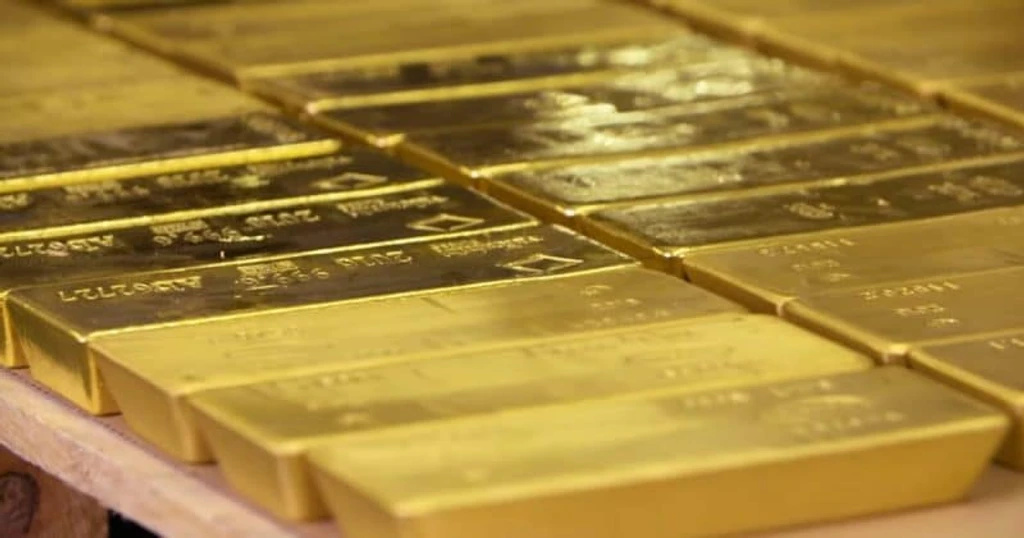
Gold prices surged over 2% on June 15, breaking past the $4,300 per ounce mark, and held those gains as Washington and Tehran announced a critical interim peace framework. The agreement, a 60-day memorandum of understanding, is set to be formally signed on June 19 in Geneva.
The framework's centerpiece is the reopening of the Strait of Hormuz, a vital chokepoint for roughly one-fifth of the global oil supply that had been disrupted by a months-long US naval blockade. Beyond the immediate ceasefire extension, the deal initiates discussions on Iran’s nuclear program, potential sanctions relief, and the mechanism to unfreeze approximately $25 billion in Iranian assets.
The ceremony will feature US Vice President JD Vance, with reports suggesting President Trump may also attend. Iran will be represented by Deputy Foreign Minister Kazem Gharibabadi and Parliament Speaker Mohammad Bagher Ghalibaf. Pakistani Prime Minister Shehbaz Sharif, a key mediator, is also set to participate.
Despite the de-escalation narrative, gold’s resilience above $4,300 signals that the current price floor may be structural, driven by factors beyond immediate geopolitical risk. Investors are closely watching the unfreezing of Iranian assets as a leading indicator of the deal's durability. Energy markets, however, stand as the primary beneficiary from the full reopening of critical shipping lanes.