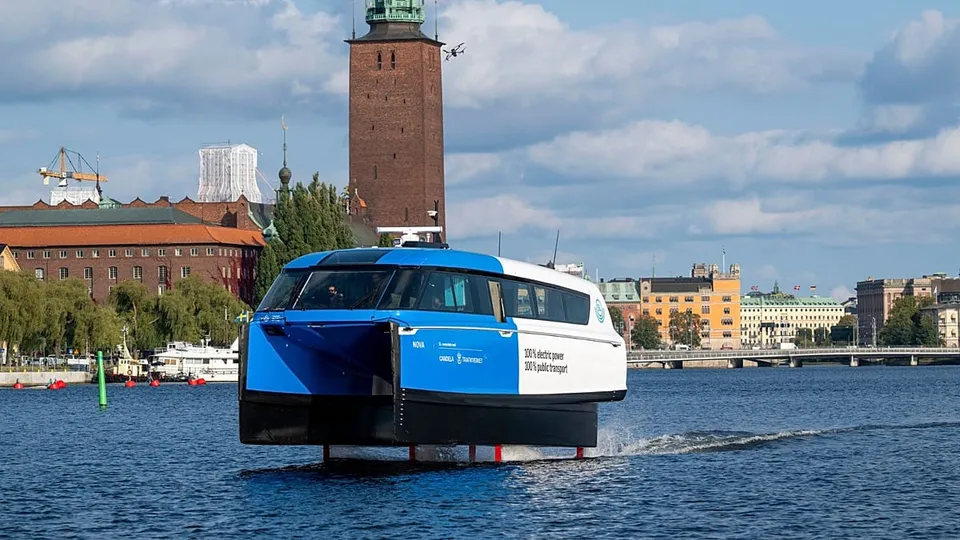
Despite global climate challenges, early 2026 has delivered significant environmental victories. From Stockholm's 'flying' electric ferries revolutionizing urban transport with low emissions to the remarkable recovery of Sardinia's griffon vulture population, conservation efforts are yielding tangible results.
France is revitalizing abandoned railway networks by adapting vans into 'Ferromobiles,' offering an innovative public transport solution. Portugal leads the EU in renewable energy, with over 80% of its January electricity sourced from green power, underscoring a major shift away from fossil fuels.
Finland is exploring sand-based solutions for industrial heat emissions, a critical step in tackling a major source of carbon pollution. Meanwhile, research suggests air fryers may even improve indoor air quality.
January also saw a landmark commitment from ten European nations to invest €9.5 billion in North Sea wind projects, aiming for 100GW by 2050. The High Seas Treaty's enforcement marks a historic moment for global ocean conservation, alongside advancements in sustainable fungicides for vineyards and recognition for scientists studying carbon-sequestering fungi.
Ocean health is further bolstered by the potential of coral reefs to combat food insecurity, and encouraging birth rates for the rare North Atlantic right whale. France's ban on 'forever chemicals' also signifies progress in addressing persistent pollutants.