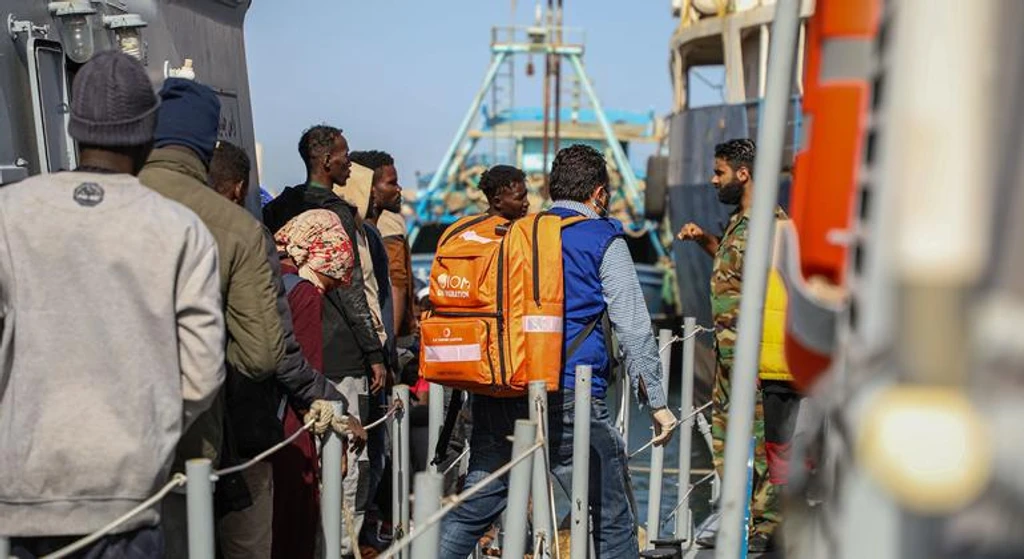
UN Secretary-General António Guterres has sharply criticized the international community's failure to manage migration safely and orderly. Presenting his latest report, Guterres stated, "Migration is not a crisis. The crisis is the failure to manage it together."
He noted that while human mobility profoundly shapes the world, the global reaction has been "driven by fear, division, and rank opportunism." Migrants are often instrumentalized for political gain, dehumanized in public discourse, and denied their rights, despite their significant contributions to economies and societies.
This comes as safe and regular migration pathways, such as labor schemes and family reunification, are becoming more restrictive. This forces individuals to resort to dangerous journeys, leading to over 48,000 migrant deaths or disappearances since the Global Compact for Migration's adoption. Guterres called it a "moral outrage" that thousands die annually due to the lack of safe alternatives.
He emphasized that migrants are victims, not criminals, and that the real culprits are smuggling and trafficking networks. While some countries have made progress, Guterres stated it is "far below what today's realities demand." He called for a rights-based, gender-responsive, and child-sensitive approach to migration governance.
To be effective, countries must collectively expand clear pathways for regular migration and invest in development cooperation, education, skills, and job creation in countries of origin. "We must now translate vision into accelerated action for safe, orderly and regular migration," he urged.
Guterres concluded by stressing that humane, cooperative migration governance is essential for a stable, peaceful, and prosperous world, urging nations to "make the Global Compact real."