Lebanon is engaged in negotiations with Israel, a significant diplomatic step for two nations that do not recognize each other. However, the Lebanese government faces a profound challenge due to the considerable influence and weaponry of Hezbollah, an Iran-backed militia and political party.
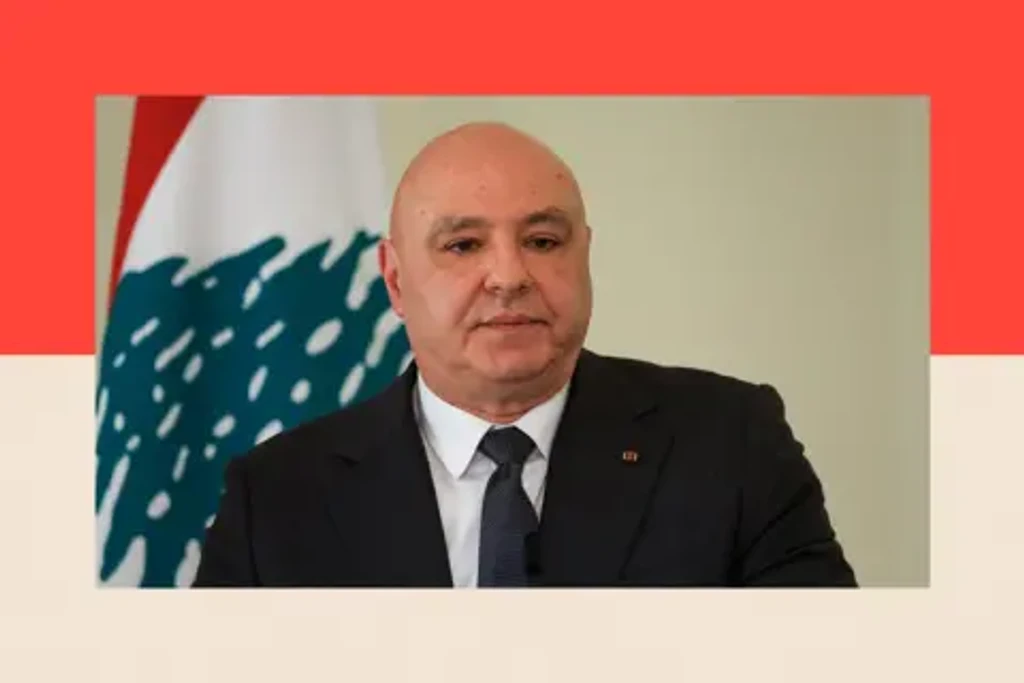
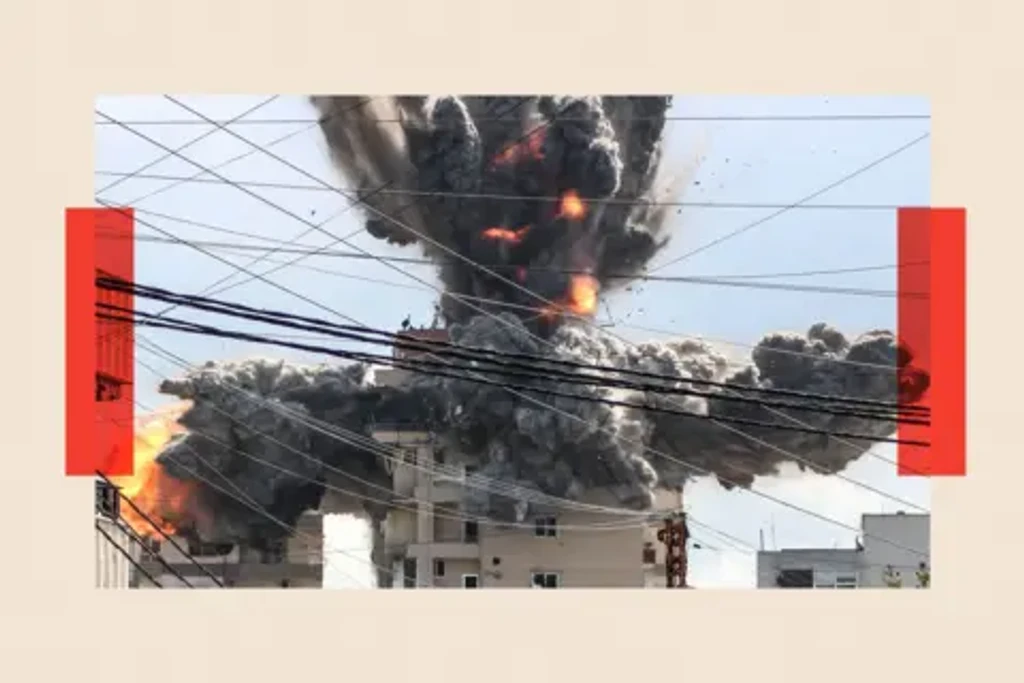
Lebanese President Joseph Aoun has sought to disarm Hezbollah, a move that has long divided the country. While Hezbollah views its arsenal as essential protection against Israel, opponents accuse the group of prioritizing its Iranian patron's interests and dragging Lebanon into unnecessary conflicts. The recent death of Iran's supreme leader, Ayatollah Ali Khamenei, in a strike on Tehran led to Hezbollah firing rockets into Israel, escalating tensions and resulting in further Israeli airstrikes and a ground invasion.
Despite President Aoun's attempts to negotiate a ceasefire and disarmament, Israel largely ignored the proposals until recently. Talks between ambassadors from both countries are now scheduled in Washington, focusing on a ceasefire. However, Lebanon's limited influence over Hezbollah leaves its government with few negotiating advantages.
Hezbollah, established in the 1980s and heavily supported by Iran, remains a powerful political and social force in Lebanon. Its stated goal of destroying Israel continues to be a central tenet of its ideology. While UN resolutions have called for its disarmament, these have not been fully implemented. The group's extensive social services further embed it within Lebanese society, making unilateral disarmament a complex and potentially volatile undertaking.
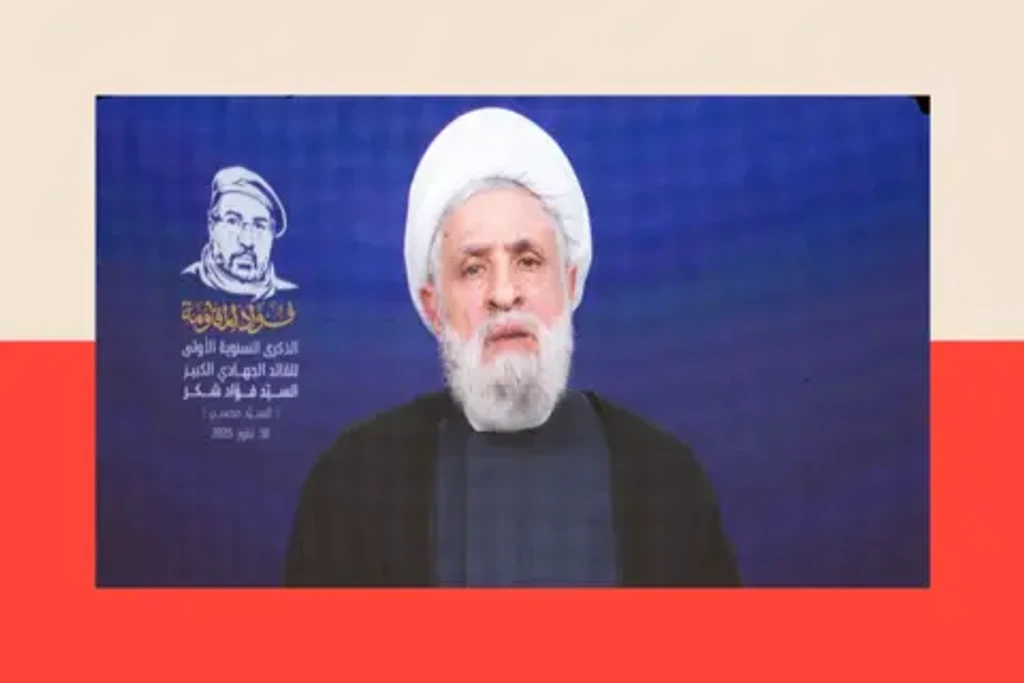
Hezbollah's secretary-general, Naim Qassem, has rejected discussions on nationwide disarmament, emphasizing that any move to disarm the group by force could lead to civil war. He argues that the Lebanese army lacks the capacity to disarm Hezbollah and that imposing such measures on the Shia community would be disastrous. Consequently, Lebanon's government is seen as possessing minimal leverage in negotiations with Israel, a reality that complicates any prospects for lasting peace.