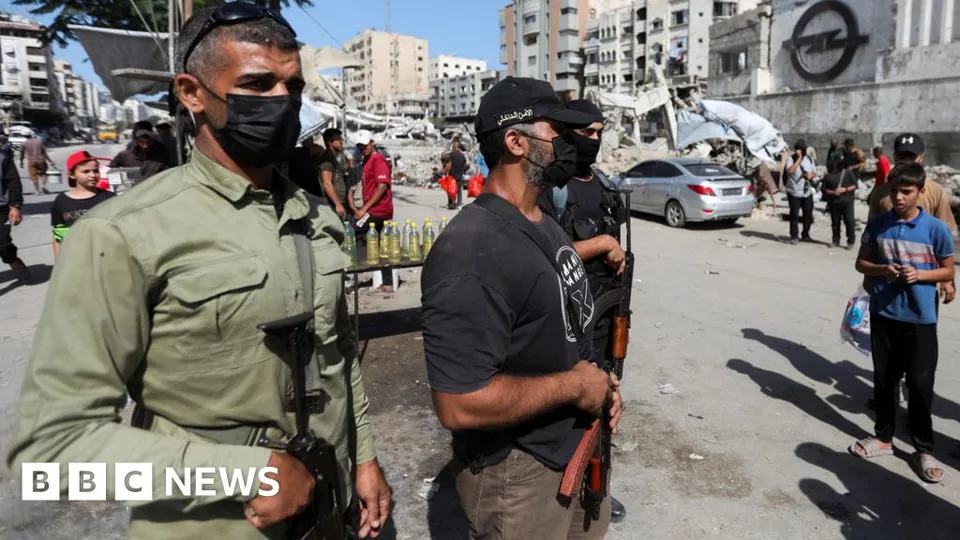
Hamas is reasserting control in Gaza following a US-imposed ceasefire with Israel, despite significant losses sustained during the conflict. Four months after the ceasefire, reports indicate Hamas is once again extending its authority over security, tax revenue, and government services.
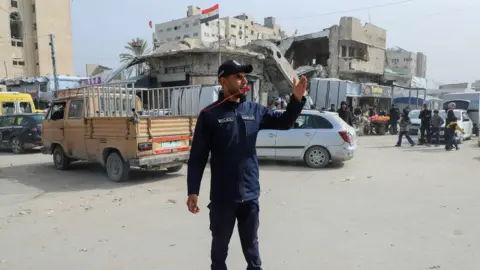
Activists and residents in Gaza describe renewed Hamas police presence, control over official fees and taxes, and the reassertion of authority over the judiciary. Stallholders report aggressive demands for payments, with significant financial burdens placed on businesses. Traders bringing goods into Gaza are subject to strict Hamas taxation, with reports of force and threats against those who refuse to pay.
A Hamas spokesman stated that "exceptional measures" are necessary due to the emergency situation and claimed that firm action against traders is a "governmental matter." Gaza's government has been run by Hamas since 2007, with money seen as crucial to its grip on power. The Israel Defense Forces (IDF) allege Hamas is using this period to regroup and rebuild its war machine.
The IDF reports daily attacks against its forces by Hamas, with four Israeli soldiers killed since the ceasefire. Hamas counters by pointing to Israeli attacks that have resulted in Palestinian casualties. The ongoing conflict raises questions about the effectiveness of military actions in dismantling Hamas's capabilities, with the IDF emphasizing that the war is not over until Hamas is disarmed.
Donald Trump's peace plan for Gaza hinges on Hamas disarmament, a complex negotiation process involving details on who, what, and how weapons would be handed over. Hamas has indicated willingness to address weapons issues while maintaining their commitment to fighting Israel. The group has also reportedly cracked down on rival clans, with footage of executions released publicly.
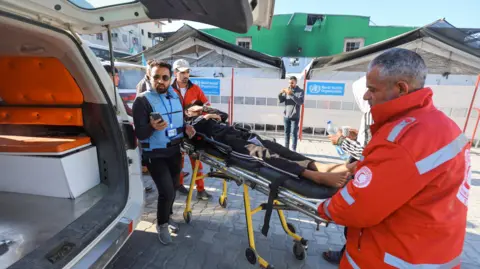
Despite Hamas's stated readiness to transfer authority to a new technocratic council, activists report few signs of a genuine handover, citing continued appointments to government positions. The reopening of the Rafah Crossing for medical evacuations has also seen Hamas ministry officials supervising, signaling their intent to remain influential.
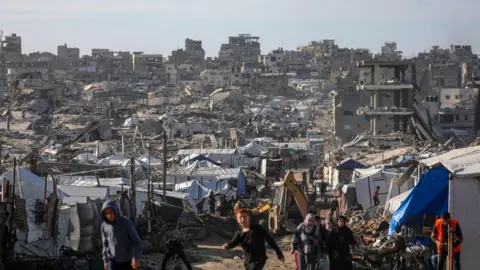
As reconstruction plans proceed, the battle for control of Gaza's population and its revenue streams continues, with the long-term future of the territory remaining uncertain.