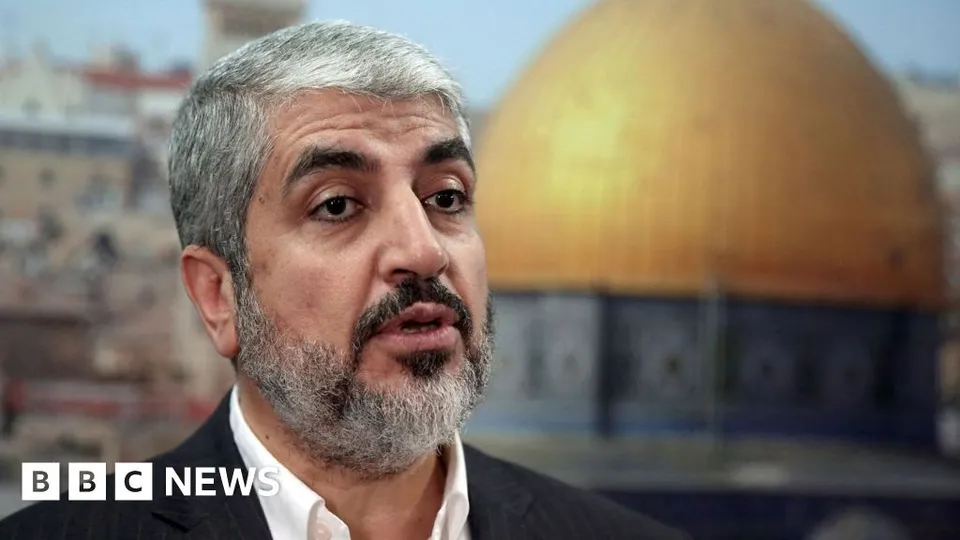
Hamas is conducting an election for a new interim leader, with voting underway across Gaza, the West Bank, and among its global members. The outcome of this vote is anticipated to shape the movement's future direction as international mediators discuss post-war governance and reconstruction for Gaza.
This election follows the significant losses Hamas has sustained, with most of its senior leadership reportedly killed in Israeli strikes since the October 7th attacks. The new leader will serve a one-year term. Hamas, which governs Gaza and has seen growing support in the West Bank, faces complex challenges.
Several key figures have been eliminated in recent Israeli operations, including overall head Yahya Sinwar and political leader Ismail Haniyeh. Their deaths left the movement led by an interim committee.
 The selection process involves an electoral college of approximately 86 members from Hamas's top decision-making body. Key contenders for the leadership are Khalil al-Hayya, who heads Hamas in Gaza, and Khaled Meshaal, a veteran leader based abroad. Meshaal previously led the group for nearly two decades.
The ongoing conflict has profoundly impacted Hamas's internal politics, weakening its Gaza-based leadership. Observers note a potential resurgence of influence for figures associated with the "old guard," traditionally linked to Meshaal, possibly signaling a shift towards more pragmatic approaches.
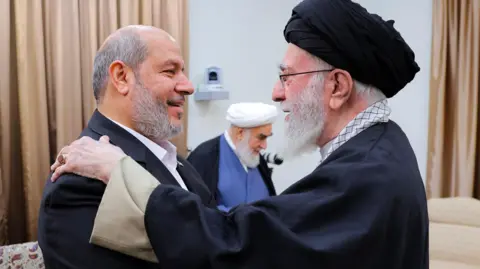 With Gaza facing widespread devastation and its political landscape in flux, the choice of a new leader is a critical juncture for Hamas as it navigates intense internal and external pressures.