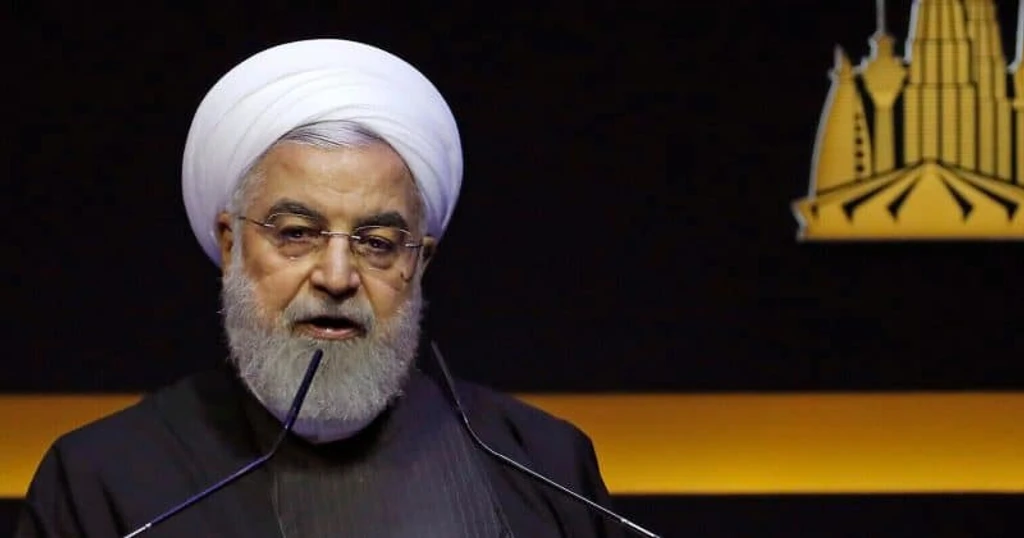
Former Iranian President Hassan Rouhani is actively lobbying regional neighbors to endorse the new memorandum of understanding between Tehran and Washington. Digitally signed on June 15, 2026, this agreement marks the most significant diplomatic channel between the two nations in years, with a formal signing scheduled for Geneva.
The accord establishes three core commitments aimed at reshaping Middle East security architecture. Both parties have agreed to cease military operations, specifically regarding Lebanon, and initiate final deal negotiations within 60 days. Crucially, the United States will lift its naval blockade within 30 days, providing a tangible concession that validates the agreement's enforceability.
Rouhani’s push for regional guarantees aligns with his longstanding strategy of constructive international engagement. However, domestic reaction remains sharply divided. Supporters view the MOU as a pathway to economic normalization, while hardliners characterize any pact with Washington as capitulation, echoing the contentious debates surrounding the collapsed 2015 nuclear deal.
President Donald Trump has signaled that continued relief depends strictly on Iranian compliance, warning of resumed pressure if terms are violated. Investors should monitor the 30-day blockade deadline and the 60-day negotiation window as definitive market-moving checkpoints. Broad regional endorsement could stabilize the arrangement, whereas limited support leaves the deal vulnerable to shifting political calculations in both capitals.