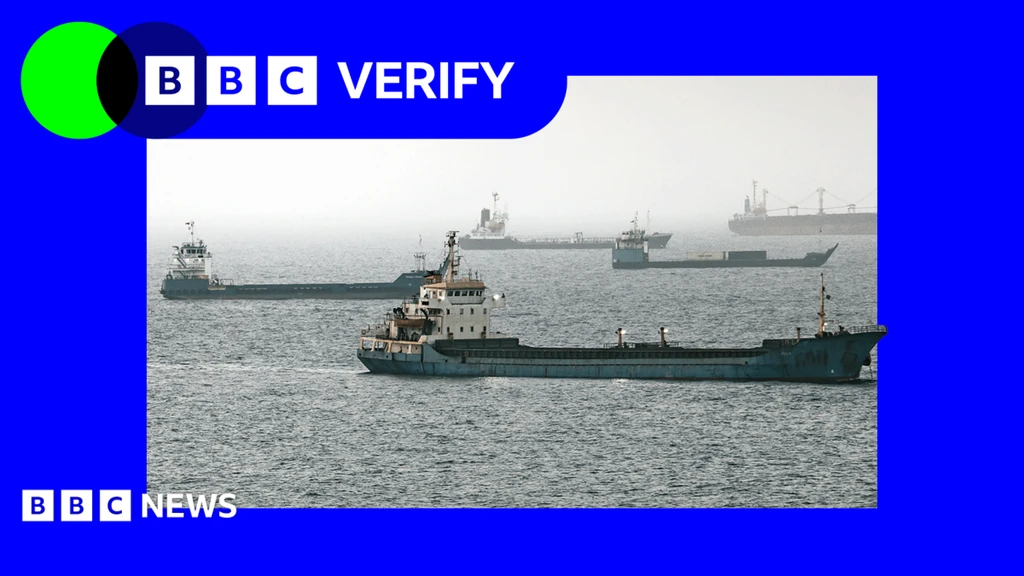
Shipping traffic through the Strait of Hormuz has fallen steeply following a new round of US-Iran strikes.
Just 23 tankers and cargo ships crossed the critical Gulf waterway on Wednesday, according to maritime intelligence firm Kpler. That figure is down sharply from 47 vessels a week earlier.
The decline follows attacks on three ships earlier this week. Those vessels were using a US-recommended route through Omani waters. Iran maintains that the only safe passage is a separate route through its own waters.
The strait is a vital chokepoint, handling more than a fifth of the world's oil and gas supplies. Before the recent conflict, an average of 138 ships transited the strait each day.
The latest tensions stem from a fragile peace deal signed on June 17. That agreement included steps to reopen the strait after a period of blockade and attacks.
Iran has consistently asserted its right to control movement through the strait and impose fees. The US and its allies oppose this, demanding free and open passage.
After the deal, the US-backed Joint Maritime Information Center (JMIC) recommended a southern route through Omani waters. Traffic on that route briefly surged, but Iran warned all vessels to use its approved northern lanes.
This week's strikes followed Iran's warning. The US accused Iran of a "foolish violation" of the truce, launching retaliatory strikes. Iran responded with its own attacks on US-linked targets.
Shipping on the Omani route has since slumped.