The Budapest Stock Exchange surged over 3% to a record high of more than 136,000 points Monday. Markets are now anticipating the end of Viktor Orbán’s 16-year tenure and a potential shift towards a more mainstream European alignment for Hungary. Investor confidence boosted major listed companies, including OTP Bank, MOL, Richter, and Magyar Telekom, with gains between 2%-5%. This positive market reaction stands in contrast to broader European markets, which traded lower amid stalled US-Iran negotiations.
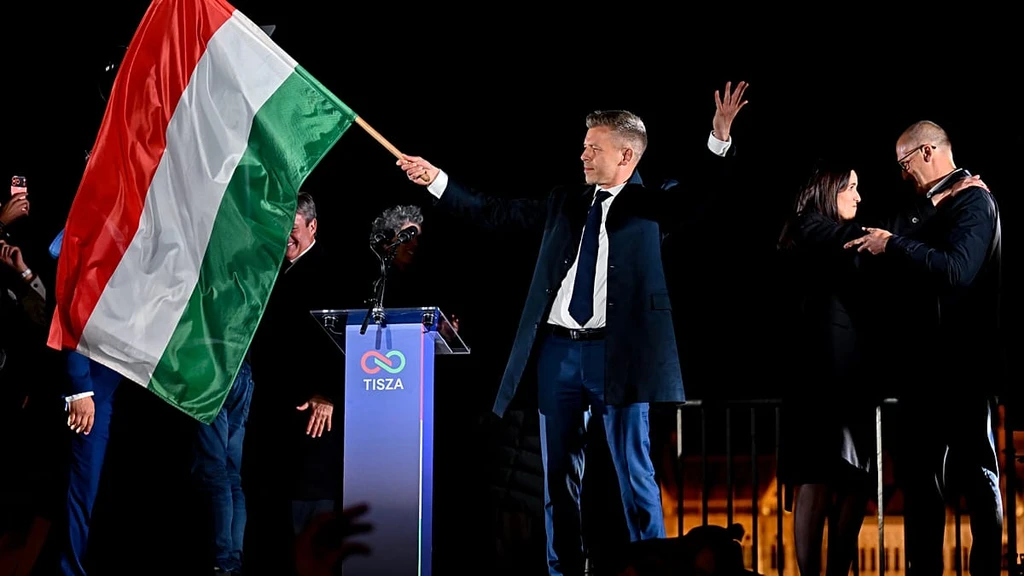
Péter Magyar’s Tisza party secured a decisive supermajority in Sunday's election, winning 138 of the 199 parliamentary seats. This outcome fuels expectations of significant political change. Magyar, a former Orbán ally, has pledged to restore democratic principles and unlock an estimated €17 billion in EU funds, frozen due to concerns over democratic backsliding under the previous government. Access to these funds, along with potential low-cost loans for defense and infrastructure, could stimulate Hungary's economic growth.
Analysts note that the market is reacting to the dissipation of political uncertainty and renewed optimism for policy changes that align Hungary with Europe. The anticipated release of structural funds and the familiarity with the new economic policy team are key factors. The likely appointment of András Kármán, described as a credible figure, as the new finance minister is expected to further stabilize the country's growth prospects. Investors perceive the election result as removing a long-standing political risk premium that had previously impacted Hungarian assets. The supermajority allows for swift legislative action, including the potential repeal of sector-specific windfall taxes on banks, energy firms, and retailers. Analysts suggest this shift could boost Hungary’s GDP growth by 1 to 1.5% annually through increased investment and restored EU transfers.
The Hungarian forint also strengthened, reaching its highest level against the euro in over four years. The EUR/HUF rate fell to 366.64, its lowest since April 2022, while the currency also gained against the US dollar. This appreciation is attributed to reduced political uncertainty and expected inflows of foreign capital upon the resumption of EU funding. Experts suggest that with political risk reduced, Hungary's central bank may consider normalizing its high real interest rates, potentially leading to rate cuts and a focus on economic stimulus to drive growth.