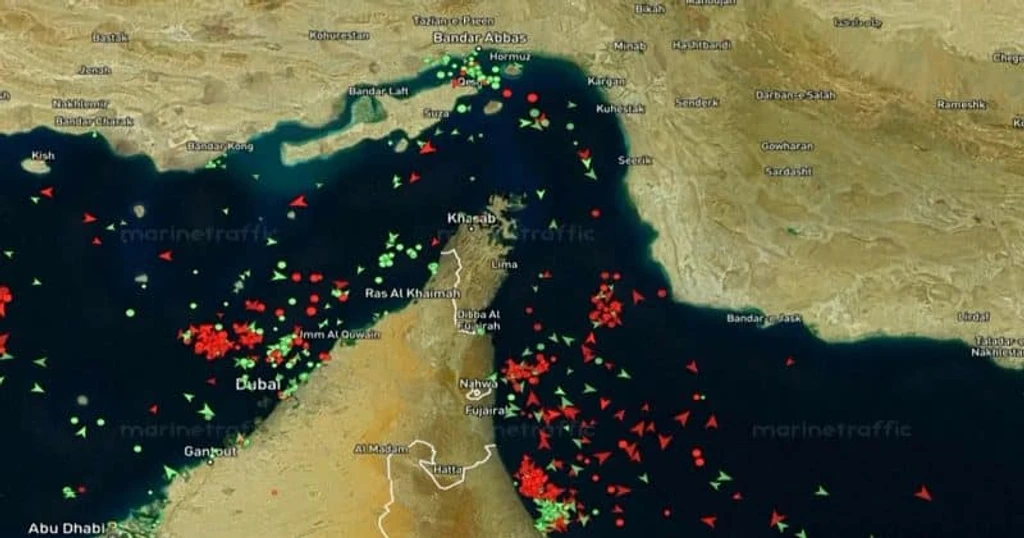
Iraq is redirecting oil exports westward following the effective closure of the Strait of Hormuz during the ongoing US-Iran conflict. Baghdad has finalized an agreement to transport crude and naphtha through Syrian Mediterranean ports beginning July 2026.
The arrangement targets an initial flow of 50,000 barrels per day via the port of Baniyas. With petroleum revenues comprising ninety percent of the national budget, this diversion represents a critical economic survival measure rather than a strategic preference.
The Iraqi cabinet approved the logistics framework in early June 2026, authorizing transport and storage operations at both Baniyas and Tartus. Long-term projections aim for 650,000 tons monthly as Syria expands facility capacity to accommodate rising volumes.
Alternative export channels have scaled rapidly since hostilities escalated earlier this year. Volumes increased from approximately 15,000 barrels per day in April to 140,000 by June, demonstrating significant logistical adaptation under pressure.
Global markets currently absorb these alternative flows without major price disruption. However, traders remain vigilant regarding potential conflict spillover into these overland corridors, which poses the primary risk to regional energy stability.