
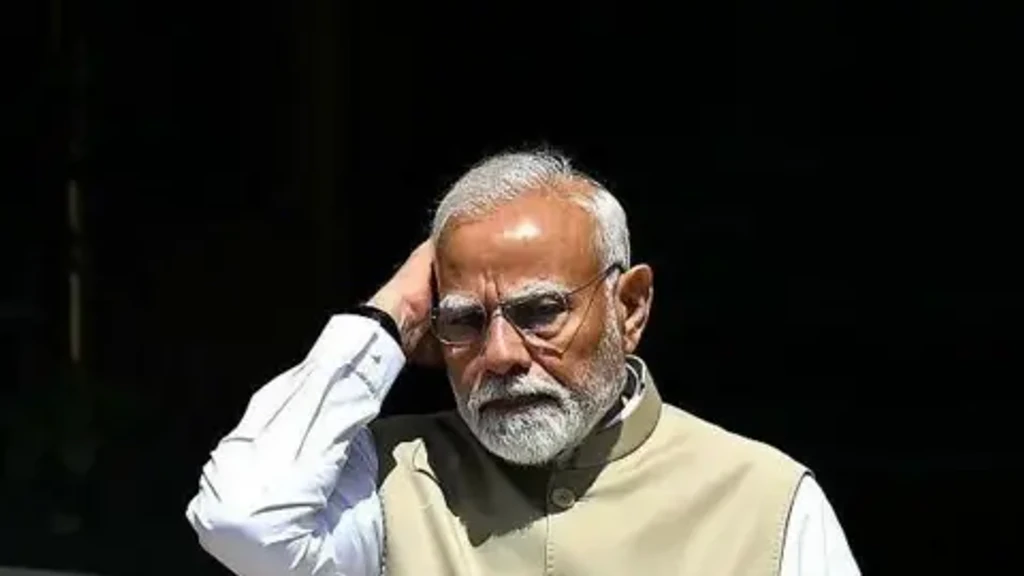
Facing a prolonged Iran war and soaring energy costs, Prime Minister Narendra Modi is asking Indians to tighten their belts. He urged citizens to work from home, avoid foreign travel, buy less gold, and consume less fuel. The appeal, delivered in Hyderabad, echoes the pandemic-era calls for mass participation in a national cause.
India imports 90% of its crude oil and half its gas needs. With the Strait of Hormuz shut for two months, the import bill has ballooned. Airfares and overseas holidays are more expensive. The government raised import duties on gold to 15%.
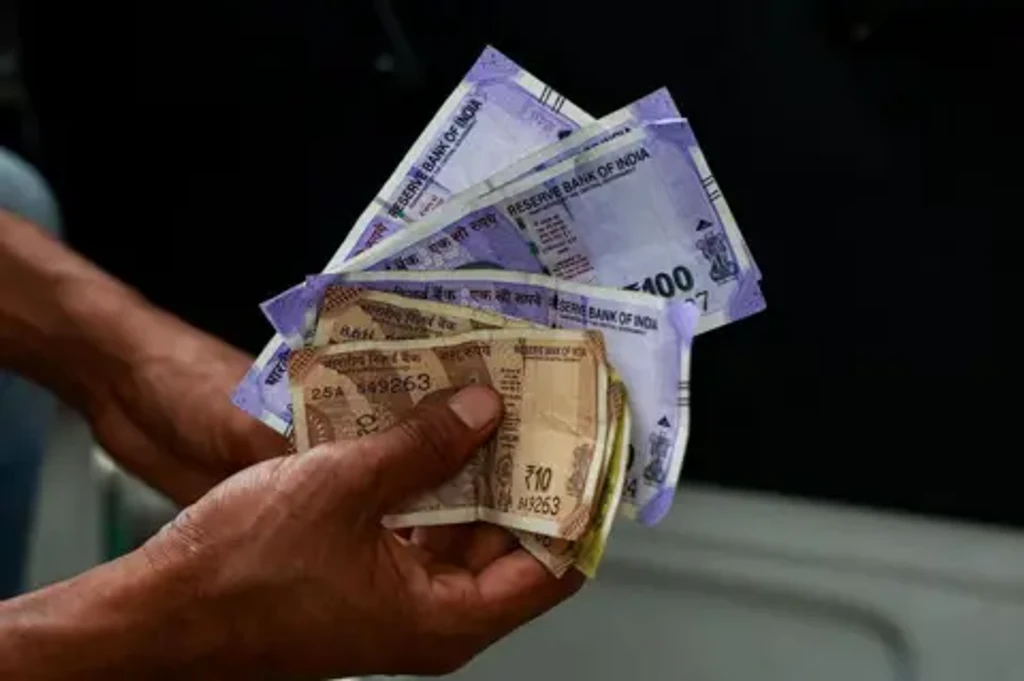
India has $690bn in reserves-enough for 11 months of imports. But forex reserves have fallen by $38bn since the war began. The balance of payments gap has crossed $70bn. The rupee is down 6-7% this year, one of Asia's weakest.
"What was initially seen as a temporary shock could now turn into a prolonged crisis," says economist Rajeswari Sengupta. Net foreign direct investment has stagnated. Global investor Ruchir Sharma calls it "investor indifference" unseen in 30 years.
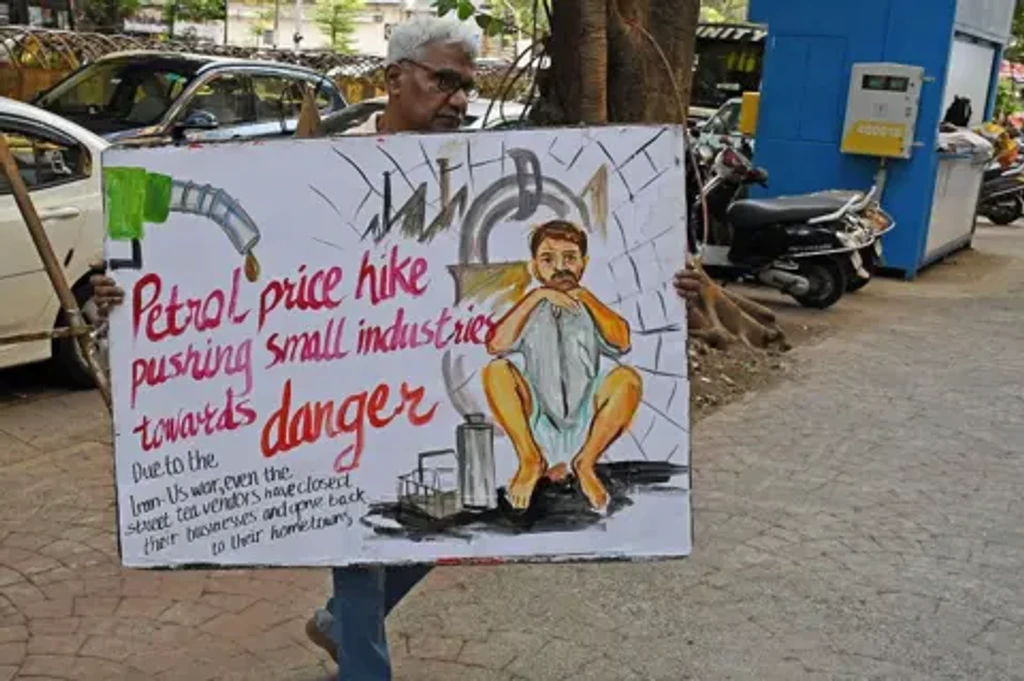
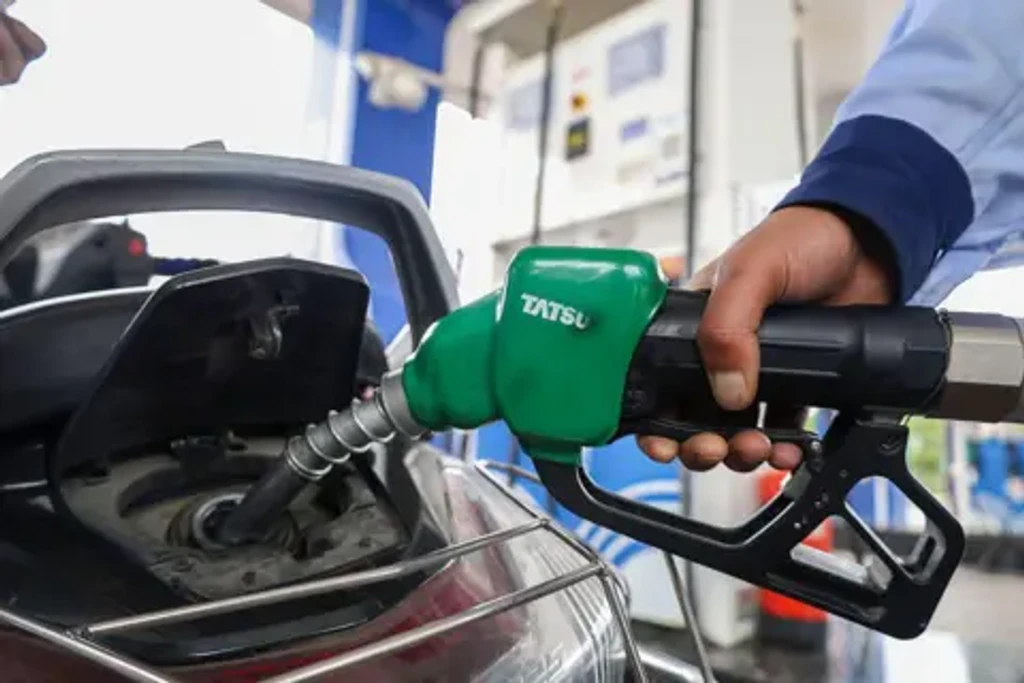
On Friday, India raised petrol and diesel prices for the first time in four years-a 3% hike. Economists warn shielding consumers from price shocks is unsustainable. They call for targeted subsidies for poorer households while letting prices rise for others.
The core question: Can patriotic austerity replace market-driven adjustment? Modi's moral suasion may slow demand, but as economists note, "the longer prices are held back, the harder the adjustment becomes."