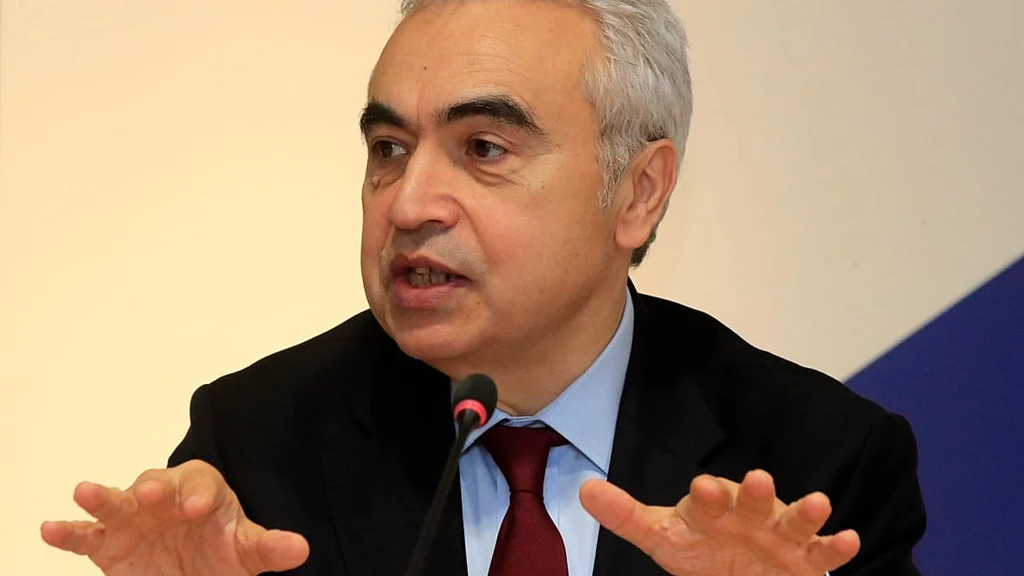
The International Energy Agency (IEA) is warning of a historic energy security threat that could drive oil prices higher. IEA Executive Director Fatih Birol stated that the ongoing Middle East war has created an unprecedented supply crisis, with 13 million barrels per day already lost and potentially more to come.
Birol emphasized that current oil prices do not yet reflect the severity of this disruption, predicting a convergence that will impact the global economy. He characterized the situation as the largest energy crisis ever, noting that the longer the conflict persists, the more acute the problem becomes.
The IEA is monitoring energy facilities in the region, with over a third of more than 80 affected sites severely damaged. Repairs could take up to two years. The agency is prepared to release additional reserves if necessary to stabilize markets.
This crisis follows US-Israeli strikes against Iran, which led Tehran to retaliate by blocking the Strait of Hormuz, a critical shipping route. Despite a temporary truce, recent negotiations failed, resulting in a US naval blockade of the Strait.
OPEC production saw a significant drop in March due to these disruptions, further contributing to upward price pressure. While demand is steady, the war has impacted forecasts for the current quarter.