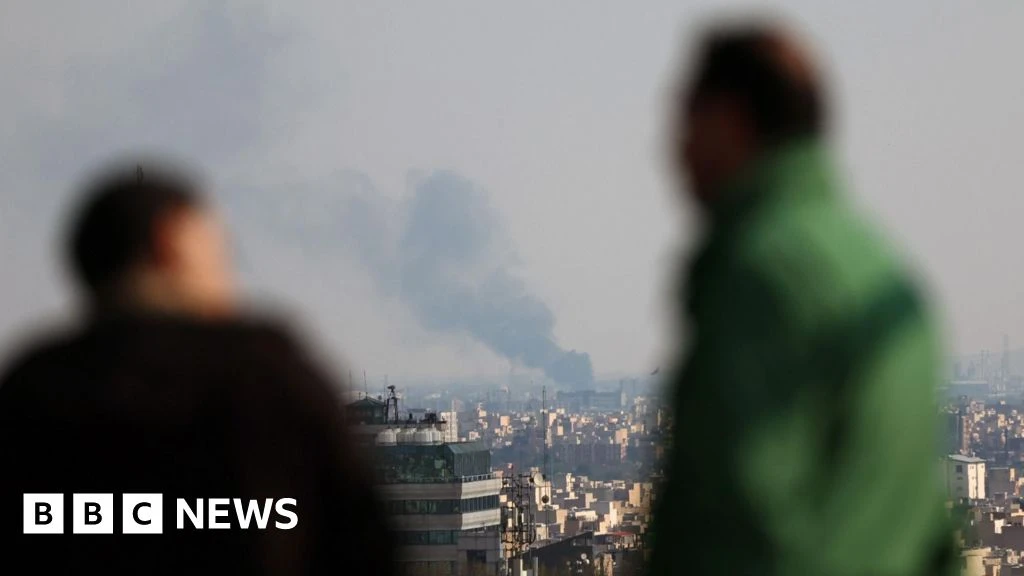
Until that moment, the war was distant. Then, Setareh heard the ominous noise and vibrations. She called out: "I think it's a bomb."
Her company shut down, and she was laid off. Now, nightly bombing steals her sleep. "I haven't slept for several nights and days in a row," she says, relying on strong painkillers. Economic hardship is mounting; even before the war, food prices rose 60%. She believes a massive wave of unemployment will spark renewed protests.
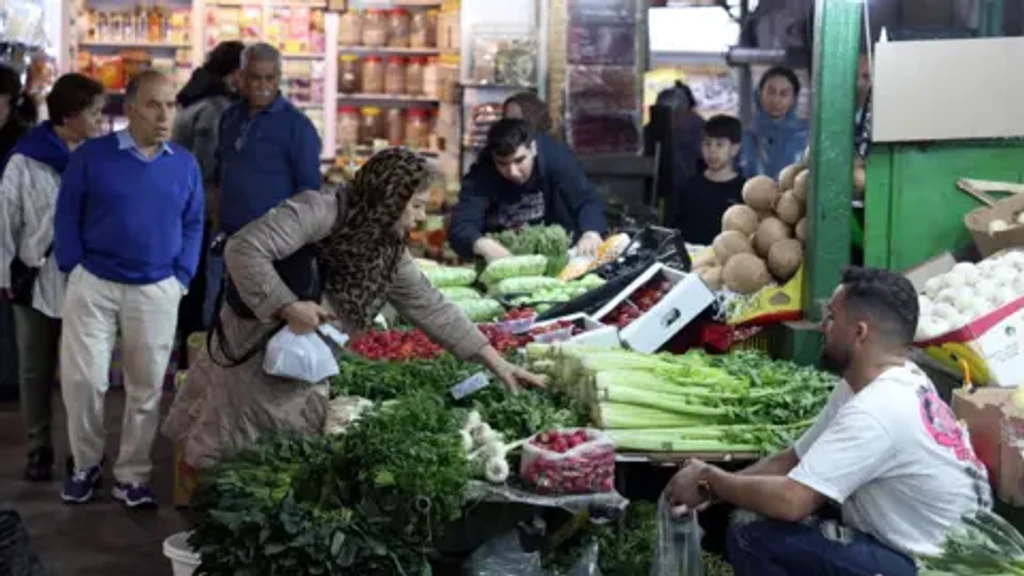
Tina, a nurse outside Tehran, fears medicine shortages. She is haunted by images from the hospital: bodies unrecognizable, a pregnant young woman killed in an air strike. Her mother fled bomb shelters during the Iran-Iraq war; now, Tina finds herself in the same situation.
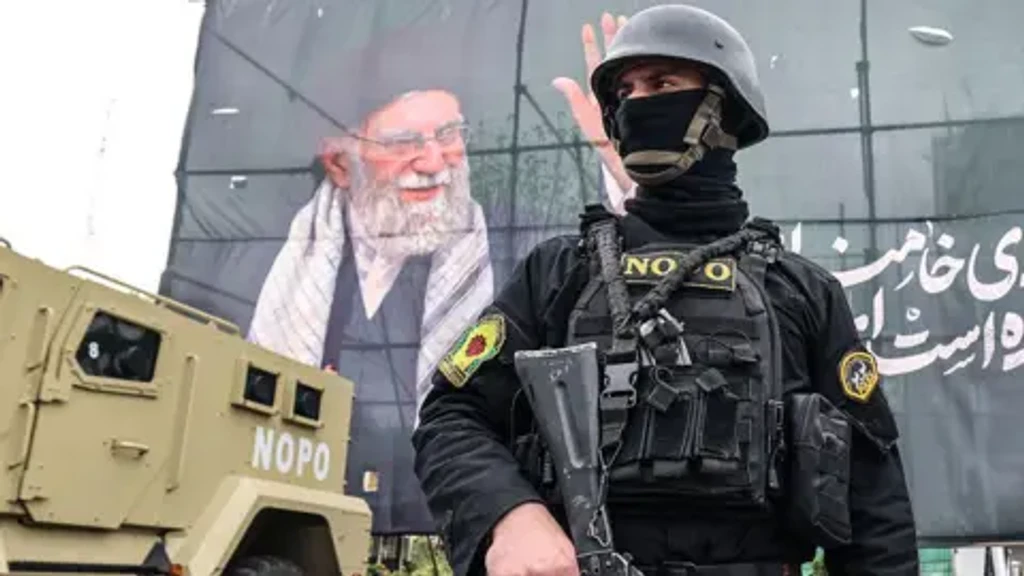
Any dissent is extremely dangerous. Behnam, a former political prisoner, keeps antibiotics and painkillers in his flat, still hiding after being shot during protests. He shows an X-ray with metal fragments lodged in his body. "I will not heal until the day we are free," he says. One month into the war, with U.S. President Donald Trump threatening to bomb Iran "back to the stone ages," that day seems far away.