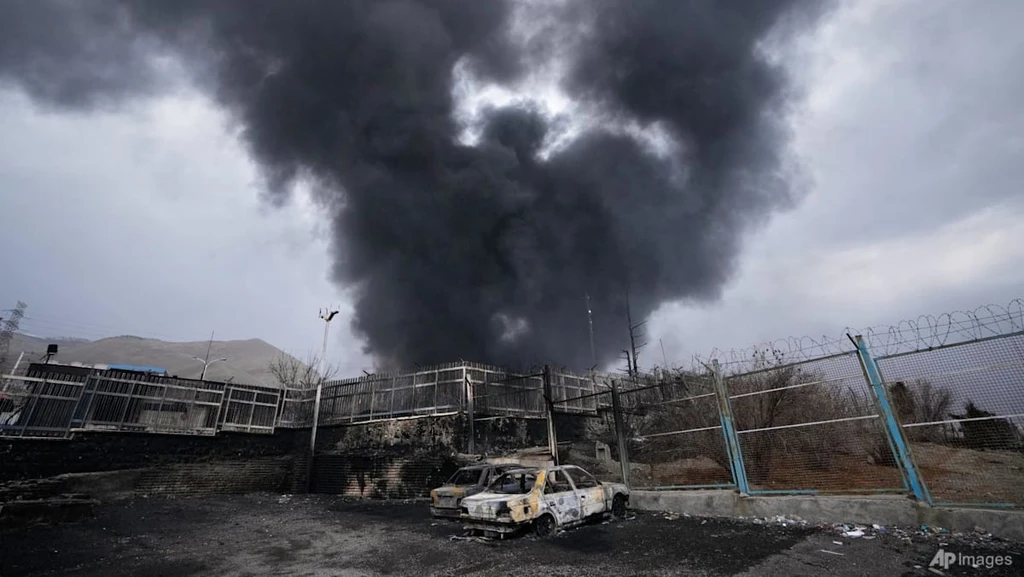
The International Monetary Fund (IMF) has cut its global growth forecast, citing energy price spikes and supply disruptions stemming from the Iran war. IMF chief economist Pierre-Olivier Gourinchas stated the conflict poses a significantly greater risk to the global economy than previous trade tariffs.
Under the IMF's most optimistic scenario, assuming a short-lived conflict, global GDP growth is projected at 3.1% for 2026. However, an 'adverse scenario' of a prolonged conflict keeping oil prices at US$100 per barrel through 2027 could reduce global growth to 2.5%. A 'severe scenario' with a deepening conflict and much higher oil prices could slash growth to 2.0%, a level that signals a "close call for a global recession."
Inflationary pressures are expected to rise significantly in these worsening scenarios, potentially forcing central banks to tighten monetary policy more aggressively. Major economies like the euro zone are forecast to be particularly impacted due to their reliance on energy imports.
Emerging markets are anticipated to be hit harder, with the Middle East and Central Asia region facing substantial GDP declines if the conflict escalates. India, however, is projected to see growth upgrades.