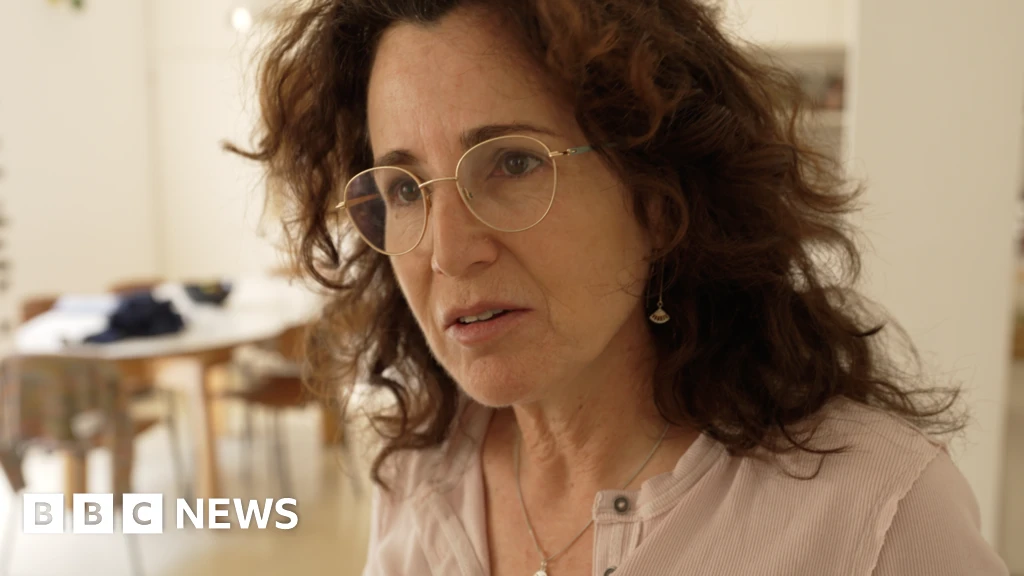
Israelis express deep fatigue with the ongoing conflict, with a recent poll from Hebrew University of Jerusalem indicating that two-thirds oppose the current tentative truce with Iran.
Liat Zvi, a Tel Aviv resident, described the situation as "depressing," feeling like "another round" in a war that has lasted two and a half years. The conflict escalated six weeks ago when an Iranian missile hit a residential building, causing the first fatality in Israel during the war with Iran.
Many Israelis are questioning the achievements of the military campaign, citing a lack of significant weakening of Iran or Hezbollah. A third of poll respondents described their current emotion as "despair," followed by "confusion" and "anger."
Prime Minister Benjamin Netanyahu had cited aims such as preventing Iran's nuclear weapon development and destroying its ballistic missile capability at the start of the campaign. However, opponents argue these goals have not been realized.
The public appears divided on continuing strikes against Iran, with 39.5% favoring continued attacks and 41.4% supporting the ceasefire. Polling consistently shows a split between Israel's Jewish majority and Arab minority on these issues.
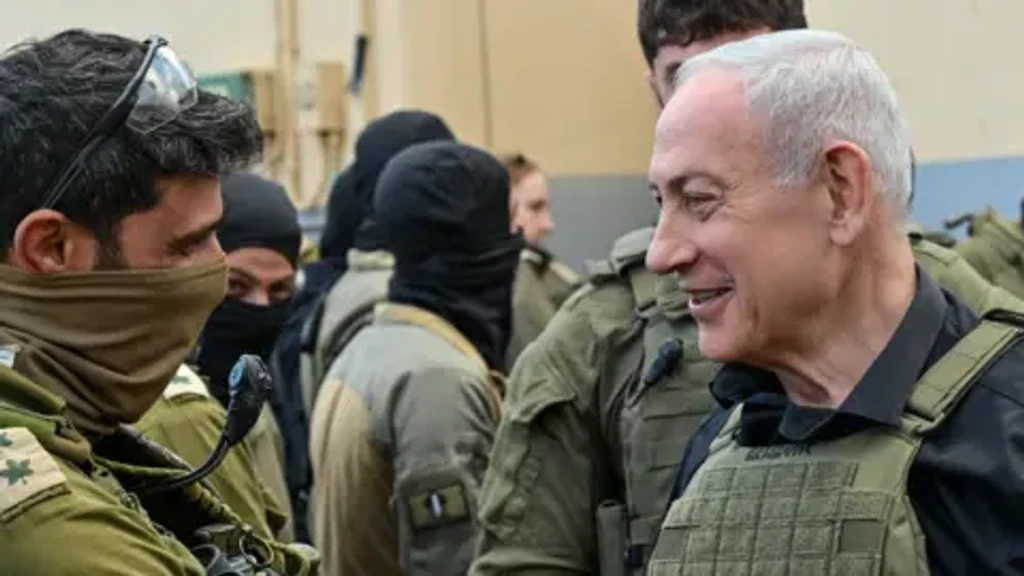
Regarding the conflict with Hezbollah in Lebanon, many Israelis believe fighting should continue until Hezbollah disarms. The Hebrew University poll suggests most Israelis agree that Lebanon should not be included in an Iran ceasefire. Direct talks between Lebanon and Israel are scheduled in Washington D.C.
Recent Israeli air strikes in Lebanon have resulted in significant casualties, according to the Lebanese health ministry. These developments come as Israelis prepare for parliamentary elections, with polls suggesting a potential impact on Netanyahu's popularity.