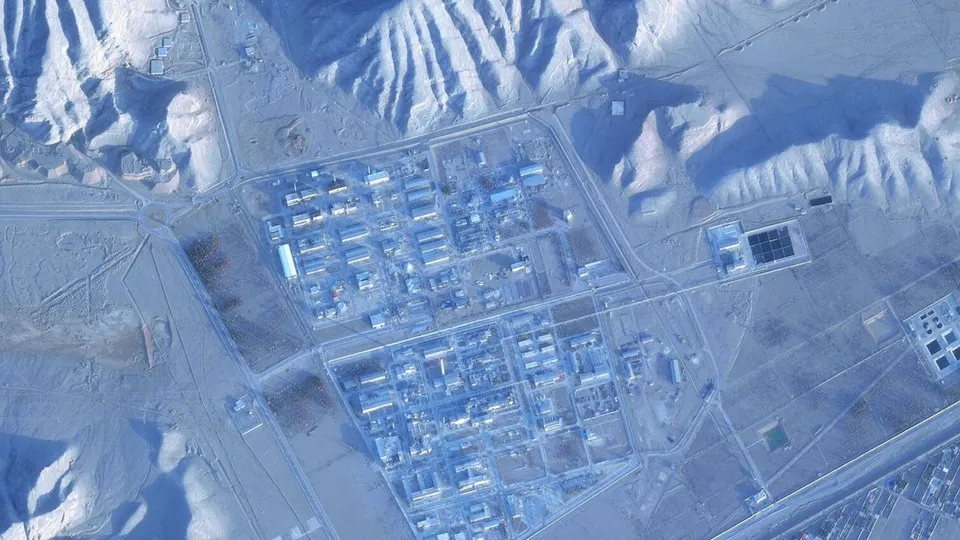
The head of the United Nations nuclear watchdog agency has warned of "urgency" in securing a diplomatic agreement to avert a war between the United States and Iran. Rafael Grossi, director general of the International Atomic Energy Agency (IAEA), highlighted two major risks: the substantial quantity of Iran's enriched nuclear material, largely untouched by previous U.S. strikes, and the potential for any new military action to spark a wider regional conflict.
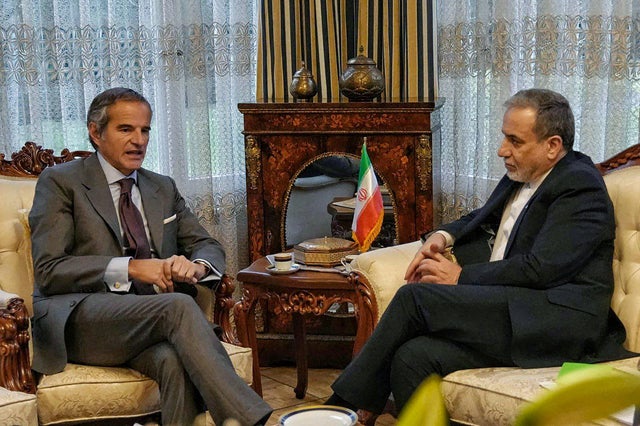
Grossi stated that "most of the material that Iran had accumulated up until June of last year, despite the [U.S.] bombings and the attacks, is still there, in large quantities." He emphasized that this material remains from a non-proliferation standpoint, underscoring the critical need for an agreement to prevent further military escalation.
Despite U.S. claims of having "obliterated" Iran's nuclear program after "Operation Midnight Hammer," initial assessments suggested the strikes only set back the program by months, not decades as President Trump had asserted. Meanwhile, U.S. military presence in the region has been bolstered.
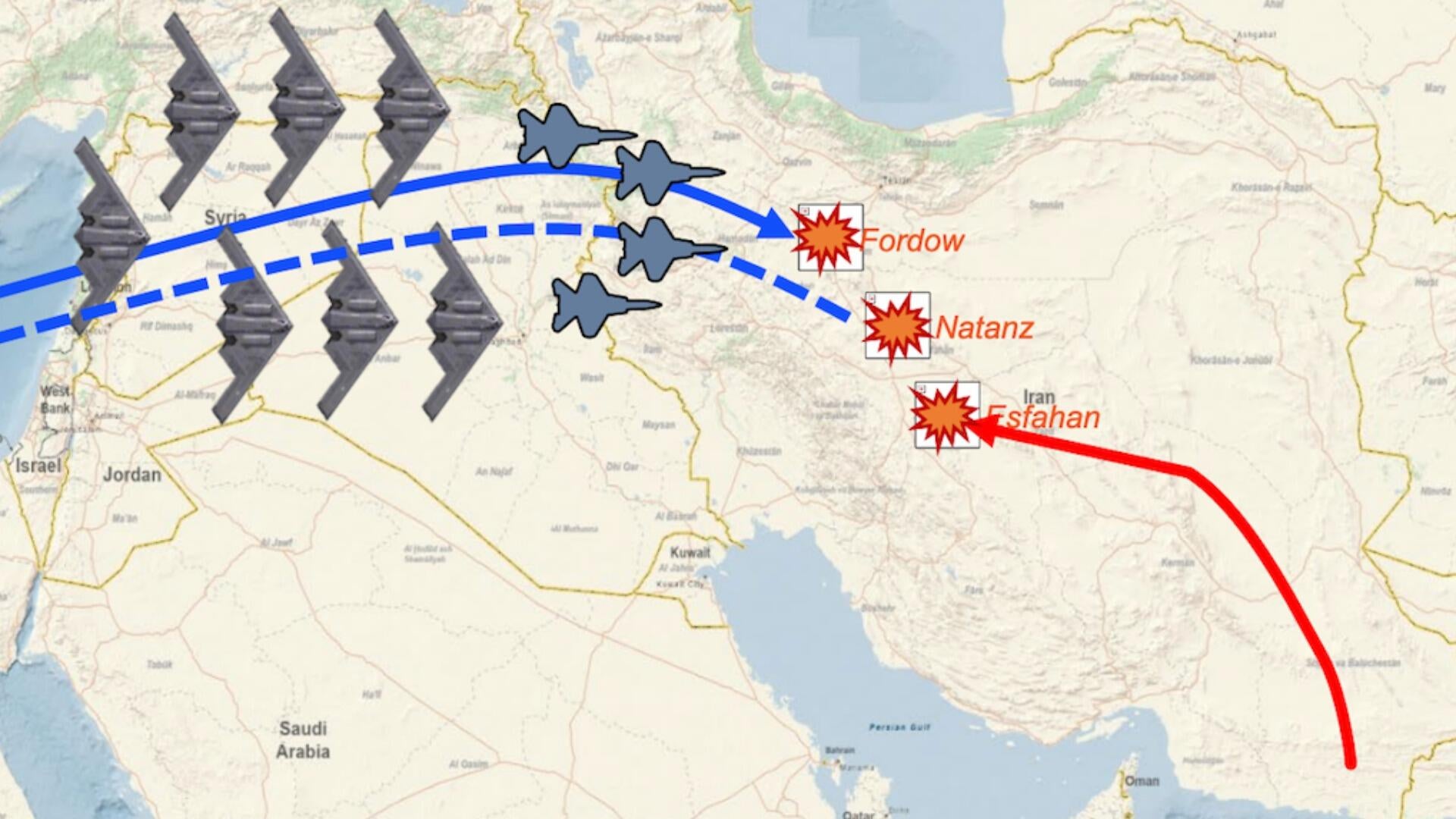
The IAEA chief stressed the vital importance of avoiding another military confrontation, citing a "real risk of spillover and expansion to other countries." He noted that diplomatic talks in Geneva, while showing progress, still require "further efforts."
Grossi expressed cautious optimism, stating that the IAEA has seen no indication Iran is currently working to develop nuclear weapons and observed a "willingness on both sides to reach an agreement."
However, this diplomatic optimism is juxtaposed with urgent rhetoric from Washington. U.S. officials have indicated that President Trump was considering military strikes on Iran as early as the upcoming weekend. Amidst this tension, Polish Prime Minister Donald Tusk urged Polish citizens to leave Iran immediately due to the "very real" possibility of conflict.