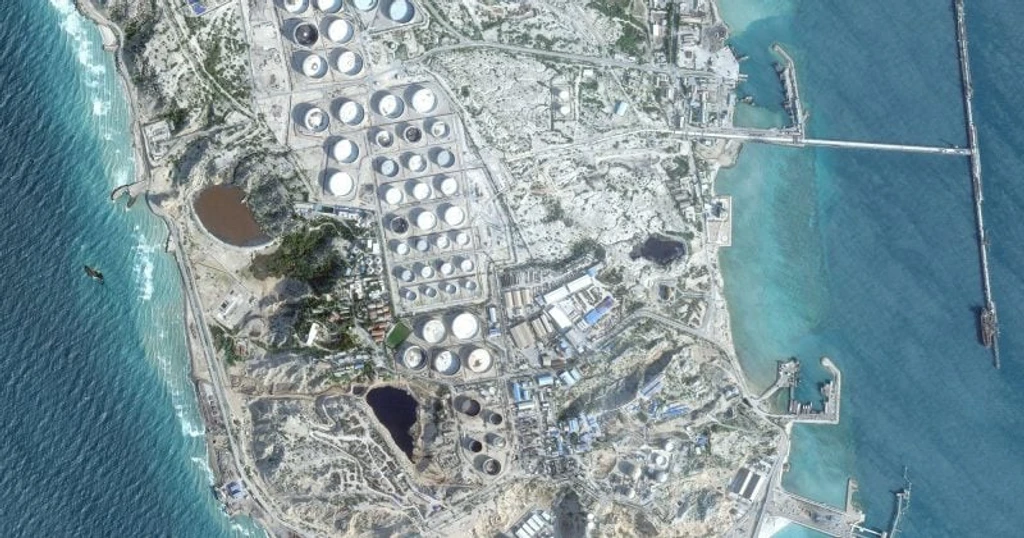
Washington and Tehran have reportedly established a 60-day framework ensuring the Strait of Hormuz remains open and Iranian oil exports continue without military confrontation. This temporary arrangement aims to stabilize global energy markets and mitigate geopolitical risk across asset classes.
Under terms outlined by Israeli analysts, Iran retains access to frozen asset credits for humanitarian goods while maintaining current export levels. President Trump will determine the next steps once this two-month window expires. Israel reportedly maintains its right to self-defense throughout the period.
Iranian oil production reached approximately 2.1 million barrels per day in early 2026 despite mounting sanctions pressure. With one-fifth of global petroleum transiting the Strait of Hormuz daily, this agreement prevents supply shocks that previously drove market volatility.
Qatari representatives facilitated negotiations involving senior Iranian officials, including Foreign Minister Abbas Araghchi and Parliament Speaker Mohammad Bagher Qalibaf. Their participation signals an effort to secure consensus among hardliners within the Islamic Revolutionary Guard Corps regarding humanitarian fund verification.
Sustained Iranian exports are expected to cap crude prices and prevent the spikes seen earlier this year. The framework may also temporarily alter transaction flows involving digital currencies and stablecoins used to circumvent banking restrictions, creating potential shifts in crypto market dynamics.