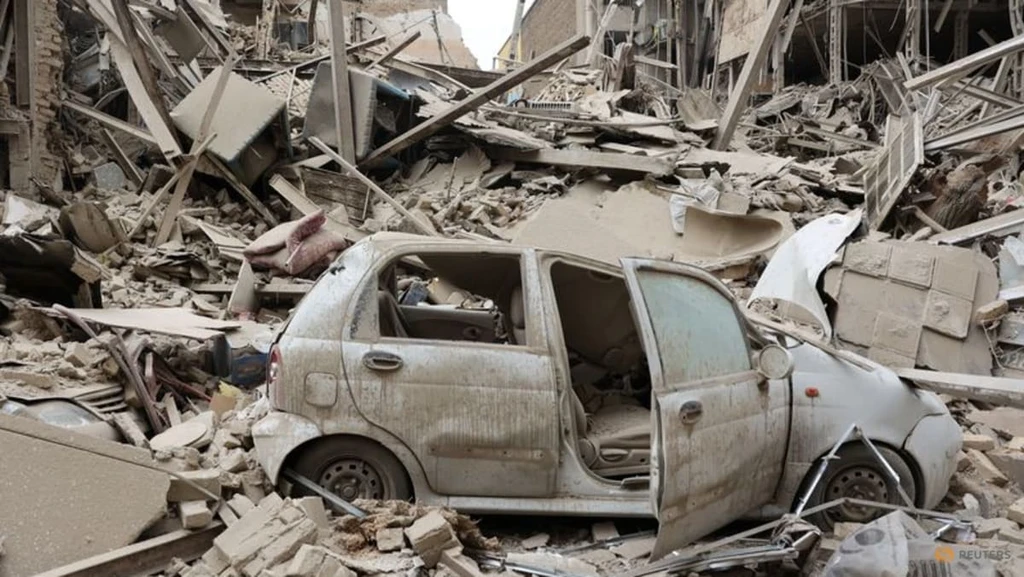
Israel launched coordinated strikes on Tehran and Beirut on March 17, 2026, deepening the Middle East war. The Iranian capital faced near-daily bombardment since February 28, when a joint US-Israeli operation began. Israeli forces targeted 'terror regime infrastructure,' while Hezbollah strongholds in Beirut’s southern suburbs came under attack.
Lebanon reported over one million displaced persons, with more than 130,000 in 600 shelters. The conflict ignited after Hezbollah retaliated for the killing of Iran's Supreme Leader Ayatollah Ali Khamenei on Day One.
Iraq was pulled deeper into the fighting as drone and rocket attacks targeted the US embassy in Baghdad and a residence housing Iranian advisors. Air defenses intercepted rockets, and a fire broke out at a luxury hotel in the Green Zone.
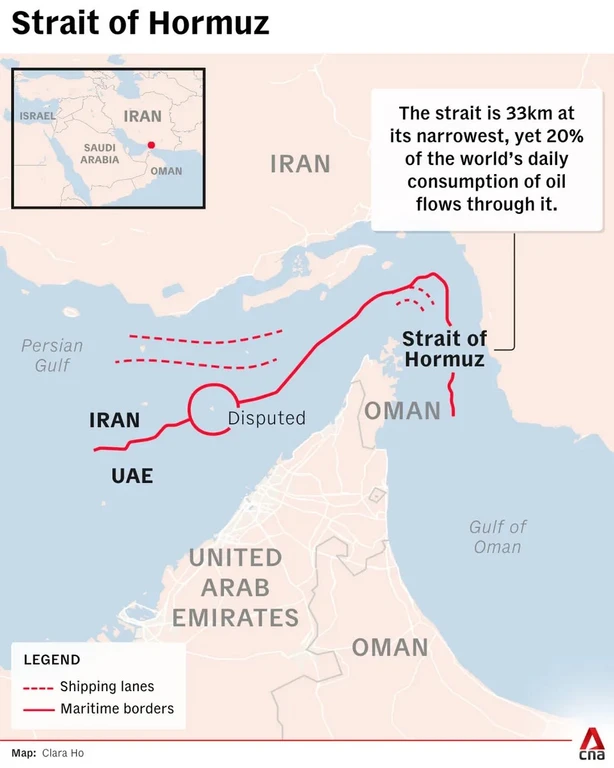
Global oil prices surged over 40% due to repeated strikes on key infrastructure in the UAE and southern Iraq. The Strait of Hormuz, through which a fifth of global crude passes, faces severe disruption. US President Donald Trump demanded allied navies form an armada to secure the strait, but major Western nations-including the UK, Germany, Japan, and EU members-refused military involvement.
Despite international pressure, Israel announced limited ground operations in Lebanon. European leaders urged restraint, while Israeli President Isaac Herzog called for full eradication of Hezbollah.
Iran claimed it fired 700 missiles and 3,600 drones at 10 countries hosting US forces. Over 1,200 Iranians have died, according to official tolls from March 8. Foreign Minister Abbas Araghchi declared Iran would defend itself without hesitation. Despite blackout and violence, some Iranians resumed daily life ahead of Nowruz, the Persian New Year.
The UN estimates up to 3.2 million people displaced across Iran.