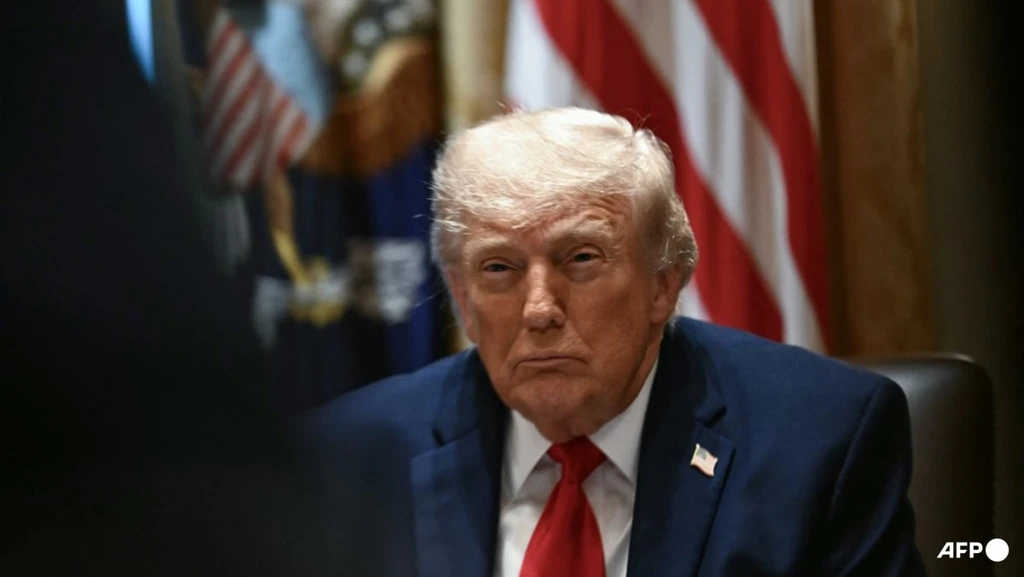
Iran's chief negotiator warned the United States is not to be trusted, stating Tehran will not agree to any deal unless it fully secures Iranian rights. Mohammad Bagher Ghalibaf's remarks came as reports emerged that President Donald Trump had sent a tougher peace proposal back to Iran, highlighting the rift that still needs to be closed.
Any further tweaks to the draft could delay an agreement to formally end the Middle East war and reopen the Strait of Hormuz after weeks of fraught negotiations marked by sharp rhetoric and occasional flare-ups of violence.
Iran was already in negotiations with the US about its nuclear program when the US and Israel launched strikes that wiped out much of the Islamic republic's senior leadership.
Nuclear Guarantees
The New York Times and Axios reported that Trump sent back a "tougher" new framework for Iran to consider. Trump has stated his priorities include stopping Iran from any nuclear weapon development and reopening the Hormuz shipping lane.
"The one guarantee that I have to have is that there will be no nuclear weapons. They've agreed to that, and it was very interesting," Trump said in an interview on Fox News.
But Tehran has cast doubt on Trump's assertions, with Ghalibaf stating, "We will not approve any agreement until we are certain that the rights of the Iranian people have been upheld."
According to the Tasnim news agency, exchanges between Iran and the US regarding a possible memorandum of understanding are ongoing, but no agreement has been finalized.
Iran has said it needs the release of US$12 billion in frozen assets before engaging in substantive talks on its nuclear program. Tehran has also insisted that Lebanon be included in any deal, despite ongoing fighting.
Flare-Ups
Though daily strikes halted after a temporary ceasefire in April, sporadic fighting has continued. Iran's Revolutionary Guards shot down a US military drone near Iranian territorial waters, though Washington has not confirmed the incident.
Earlier this week, the worst fighting since the ceasefire erupted when US forces struck the Iranian port of Bandar Abbas, prompting retaliatory fire from Iran.
Lebanon Front
Israel announced troops crossed the Litani river and raised the Israeli flag over the Beaufort fortress in southern Lebanon. Israeli Prime Minister Benjamin Netanyahu called the capture of Beaufort "a dramatic stage and a dramatic shift in policy."
Lebanese Prime Minister Nawaf Salam accused Israel of pursuing a "scorched-earth policy and collective punishment." A truce between Israel and Hezbollah formally began on April 17 but has never been observed.