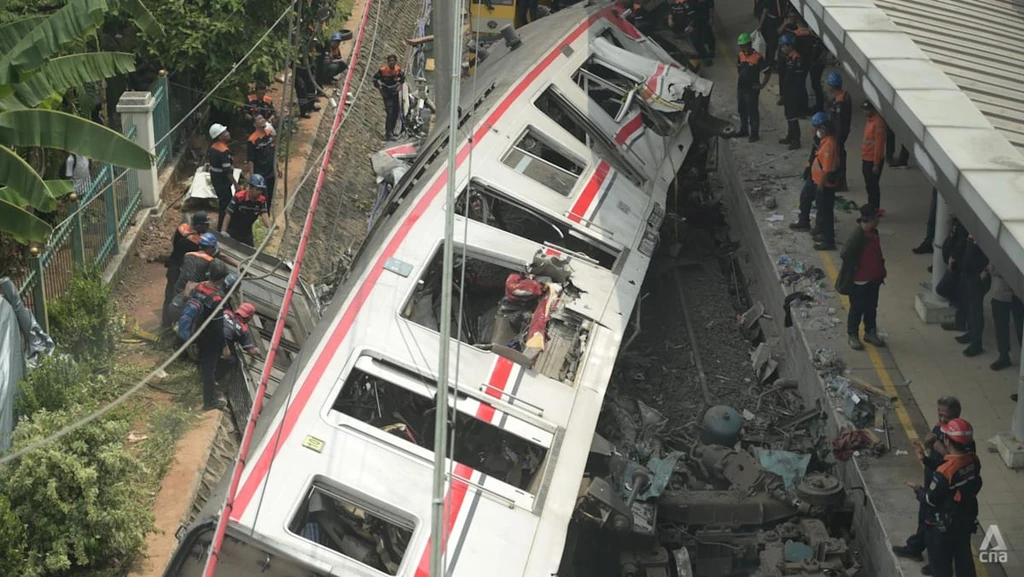
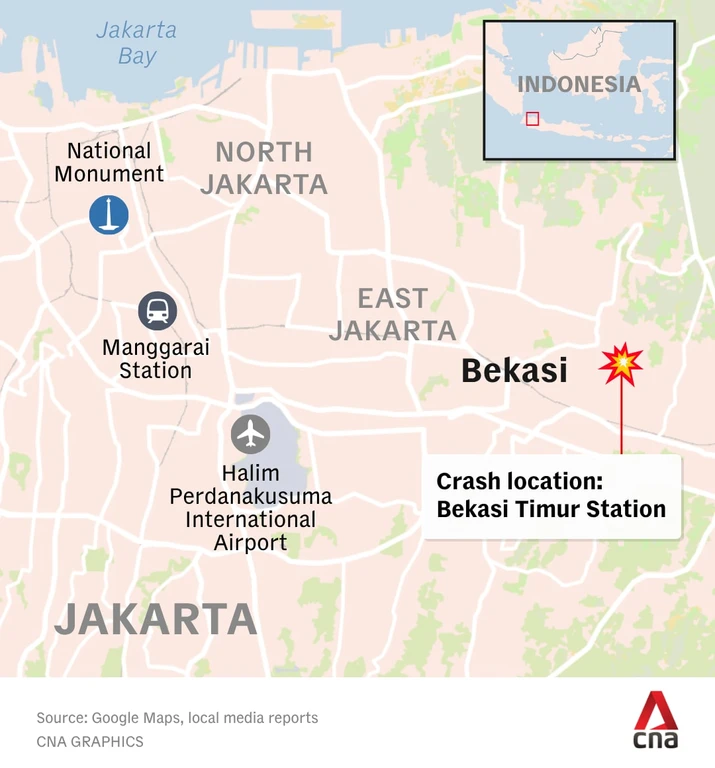
A recent fatal train crash in Bekasi, Indonesia, has exposed severe deficiencies in the nation's rail safety infrastructure, leading to widespread calls for an overhaul. The incident, which resulted in 15 deaths and over 80 injuries, occurred when a stalled electric taxi on the tracks was struck by a train. A subsequent collision between two other trains followed, trapping passengers in a crowded carriage.
President Prabowo Subianto has pledged to phase out the country's nearly 4,000 level crossings, many of which are unmanned and lack basic safety features. Experts estimate that upgrading these crossings with overpasses could cost significantly more than the allocated 4 trillion rupiah (US$231 million), potentially funding only a fraction of the necessary infrastructure. Studies indicate a high annual rate of accidents at these crossings, often due to low road user discipline.
Beyond level crossings, experts also urge for the separation of tracks for express long-distance and commuter trains, citing different operational speeds and safety implications. A proposal to move women-only carriages from the train's ends to the middle has also been met with skepticism from experts, who point to potential issues with crowd management and accessibility.
Authorities are conducting an investigation into the signalling system and circumstances leading to the crash. Advocacy groups are demanding a transparent probe and accountability for those responsible, emphasizing the need to prevent future tragedies on Indonesia's aging rail network.