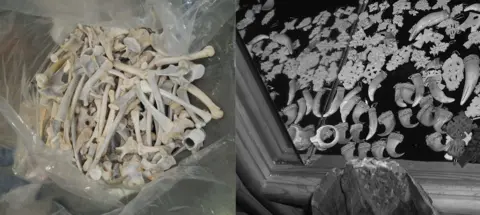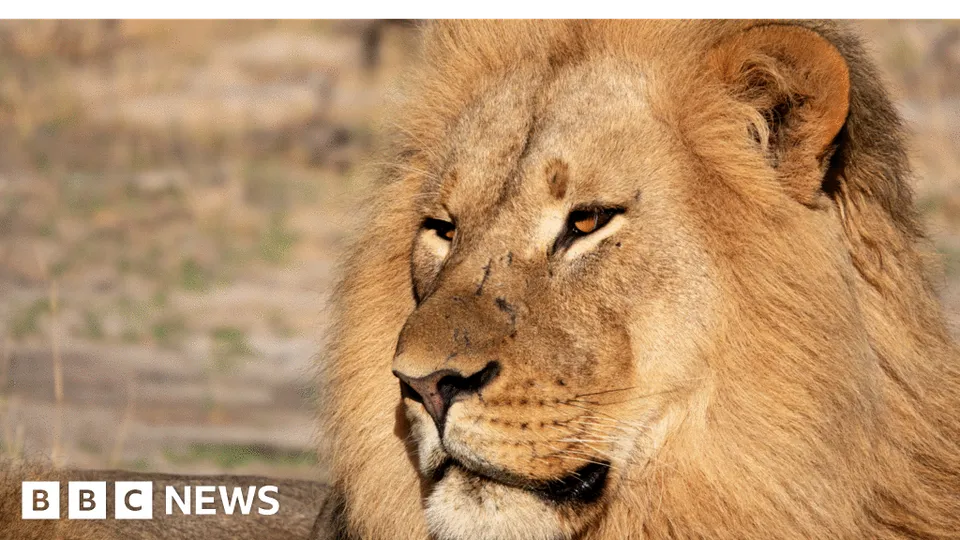
For the first time globally, lion DNA has been instrumental in convicting poachers. Wildlife crime experts successfully identified a specific lion from body parts found in a suspect's village by matching a profile against Zimbabwe's lion database. This breakthrough followed the disappearance of a male lion in Hwange National Park, tracked via a radio collar. Investigators discovered a snare with lion fur, followed by sacks containing meat, 16 lion claws, and four teeth in a nearby village. Forensic analysis of these parts matched the DNA profile of the missing lion.
Previously, possessing lion parts was not a crime in Zimbabwe, allowing for explanations such as traditional ornaments or natural deaths. However, the development of a DNA database by the Victoria Falls Wildlife Trust, funded significantly by the People's Postcode Lottery, has changed this landscape. Scientists generated a DNA profile from the recovered body parts and matched it to a blood sample from the collared lion, identifying the specific animal.

Within 10 days, the DNA evidence was presented in court. Two men pleaded guilty to poaching the lion, valued at approximately $20,000, and received 24-month prison sentences. This prosecution demonstrates the forensic capability now available to bring solid, science-based evidence to court, a development expected to have global implications for combating wildlife crime. The increase in lion killings for body parts, often linked to organized crime, underscores the critical importance of this DNA identification breakthrough.