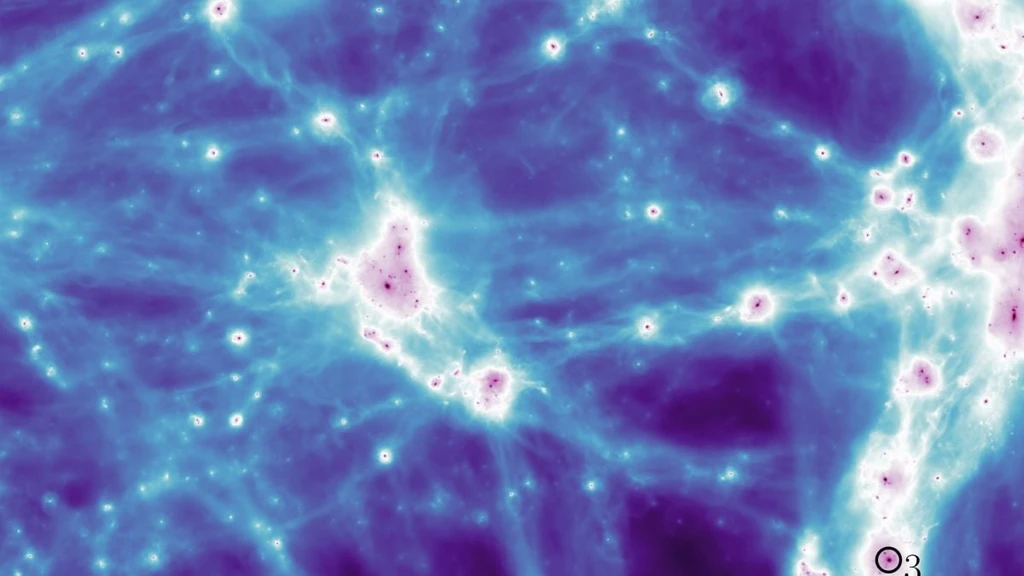
Scientists have developed advanced simulations that shed light on how galaxies formed in the early universe. These new models incorporate crucial details such as cold gas and dust, which were previously simplified or ignored in earlier simulations.
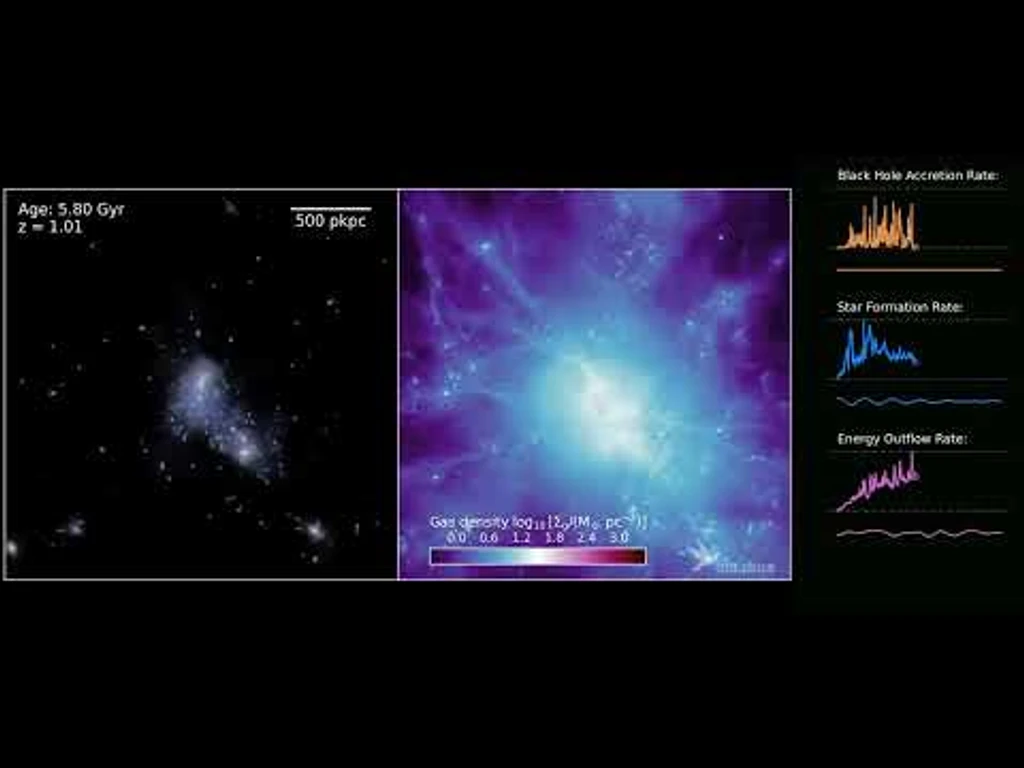
The COLIBRE cosmological simulation project, led by researchers at Leiden University, aimed to reproduce the early universe with greater physical realism. By including complex chemistry and the influence of dust grains, the simulations successfully generated virtual galaxies that closely resemble those observed by the James Webb Space Telescope (JWST).
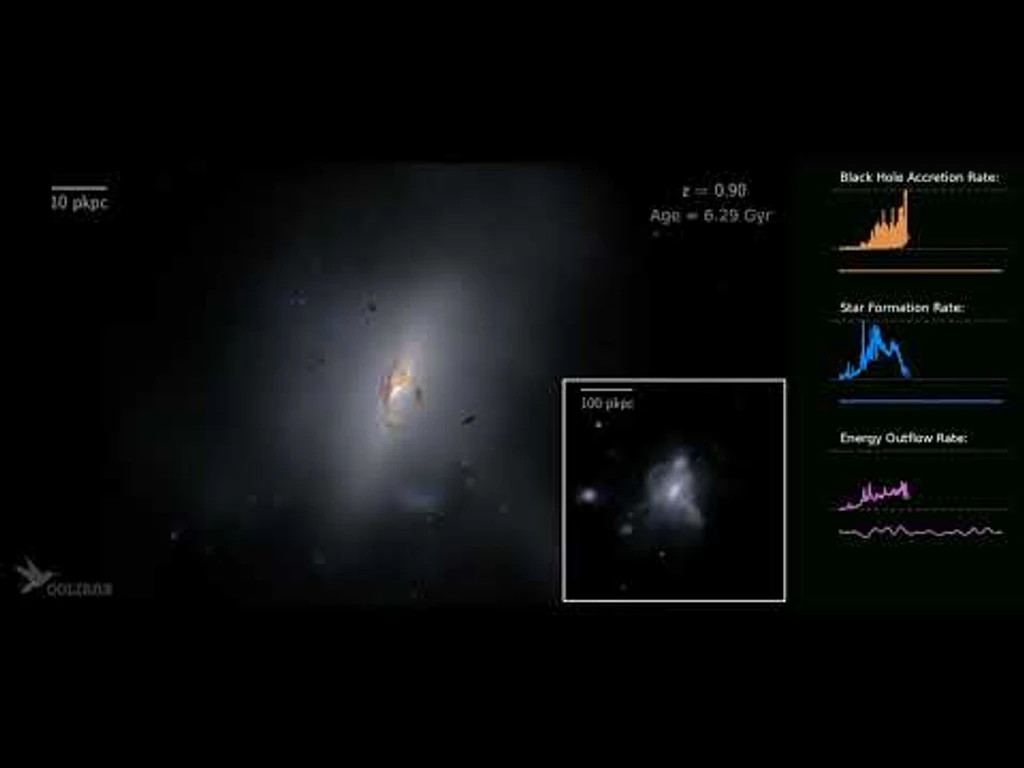
These findings suggest that the large galaxies observed by JWST, even from a period shortly after the Big Bang, can be formed within the standard cosmological model. The inclusion of more detailed physics, particularly regarding cold, dusty gas, has resolved apparent discrepancies and brought simulations more in line with observational data.