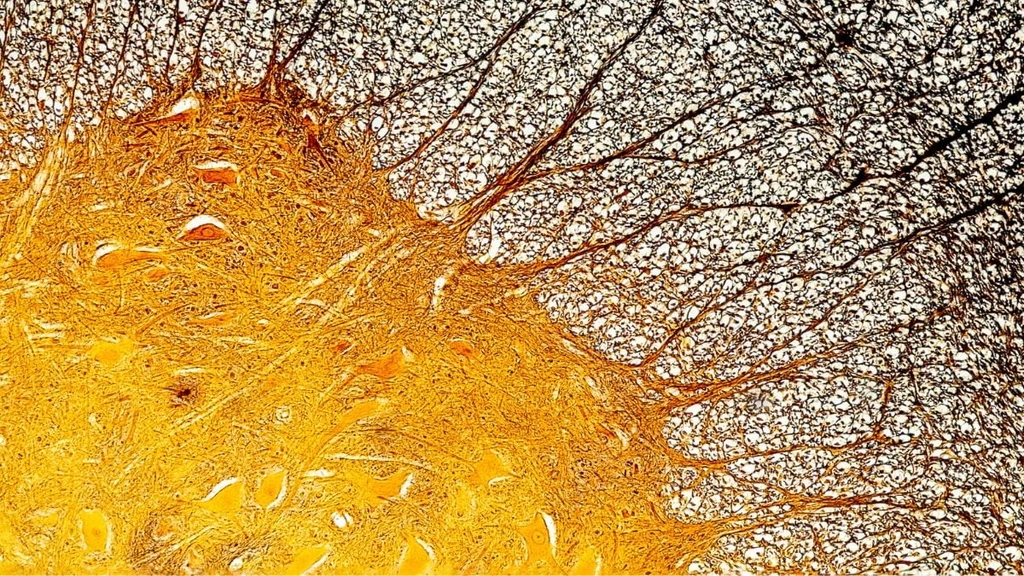
A new study from researchers in the Netherlands suggests that in the most severe cases of multiple sclerosis, an immune cell normally responsible for repairing tissue and clearing waste becomes overloaded with fat droplets.
Known as 'foamy microglia,' these cells were found in high numbers in patients with a more aggressive disease course. The team analyzed post-mortem brain tissue from 28 people with secondary progressive MS and compared it to 10 healthy brains.
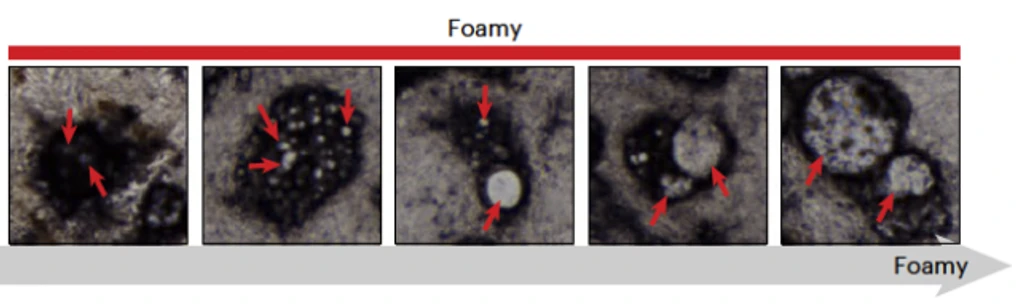
The microglia showed a distinct molecular signature, suggesting they shift from repair to exacerbating inflammation when overwhelmed with myelin debris.
In a mouse model of MS, blocking a key enzyme active in these foamy cells improved tissue healing. The researchers also detected fat markers in cerebrospinal fluid, which could lead to a biomarker for early identification of patients at risk of rapid decline.
The findings, published in Nature Neuroscience, open new avenues for therapies targeting fat metabolism in microglia.