A stark reality has emerged: approximately two-thirds of all maternal deaths globally are occurring in conflict zones and settings marked by institutional and social fragility. In 2023, 61% of the estimated 260,000 maternal deaths took place in these volatile regions.
Conflict is defined by the intensity of violence and the number of conflict-related deaths, while fragility is assessed by the quality of governance, policies, and institutions. Today, the world faces more violent conflicts than at any point in the last three decades, coinciding with a record-breaking global displacement crisis.
Experts emphasize that nearly all these maternal deaths are preventable. The core issue is not a lack of medical knowledge, but the failure to establish robust health systems that ensure women receive timely, quality care. This includes ensuring the availability of skilled health providers, adequate equipment, proper supervision, and safe working environments. Any disruption to a woman's access to care during labor or emergencies significantly increases the risk of adverse outcomes, including death.
Maternal health is intrinsically linked to broader sexual and reproductive health services, encompassing contraception and safe abortion. In low-resource and conflict-affected settings, supply chains are frequently disrupted, and skilled health providers often work under unsafe conditions, with limited access to training and support.
These conflict-affected areas, representing 10% of the global population of women of reproductive age, accounted for 21% of live births but a disproportionate 55% of all maternal deaths in 2023. Similarly, fragile settings, with 2% of women of reproductive age and 4% of live births, saw 7% of maternal deaths.
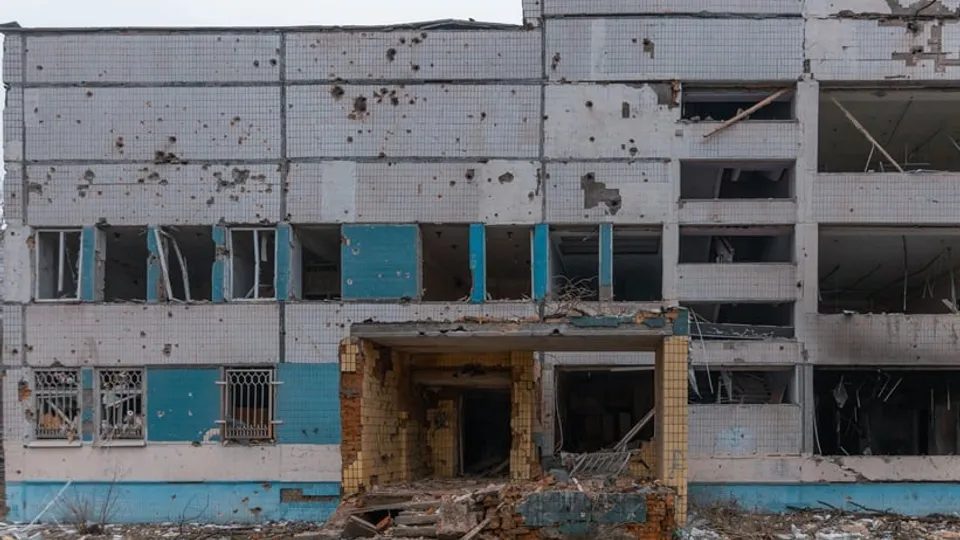
Conflict inherently destabilizes health systems, increasing demand for services while disrupting routine care, damaging infrastructure, and even targeting healthcare facilities and personnel. Pregnant women, mothers, and newborns in these areas often lack access to essential obstetric, newborn, and postnatal care.
The maternal mortality ratio (MMR) in conflict-affected countries exceeded 500 deaths per 100,000 live births in 2023. A 15-year-old girl in a conflict zone faces a one in 51 lifetime risk of maternal death, compared to one in nearly 600 in conflict-free regions.
Compounding these issues, climate vulnerability and increasing humanitarian emergencies are creating a 'perfect storm.' Droughts and floods displace populations and strain systems, while simultaneous cuts in official development assistance reduce vital funding for the poorest countries.
With the current trajectory, 45 countries are predicted to have an MMR above 140 deaths per 100,000 live births by 2030, with over half classified as conflict-affected or fragile. This stands in stark contrast to the Sustainable Development Goal of reducing the global MMR to below 70 by the same year.