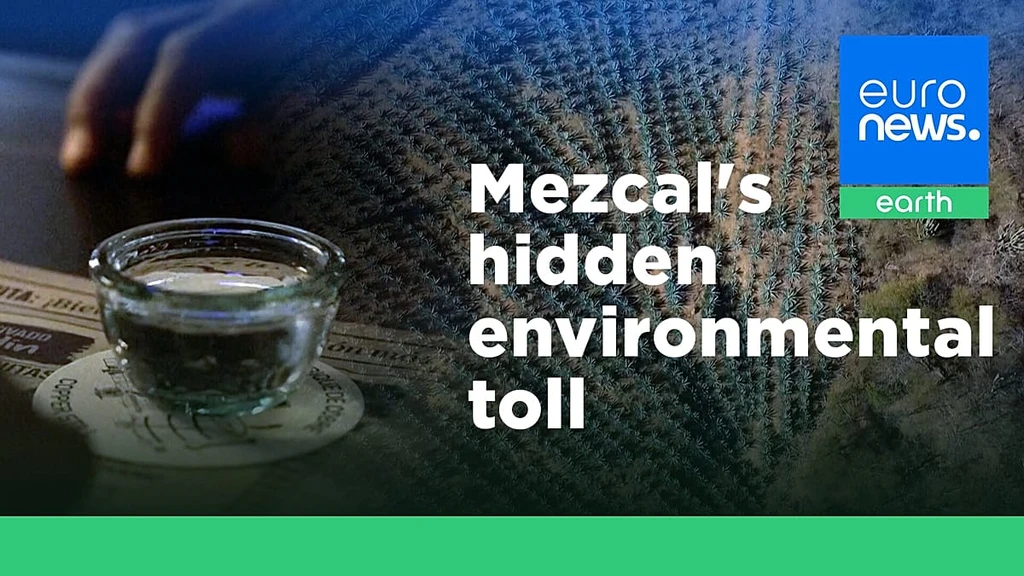
Once a tradition illuminated by a single light bulb in rural Oaxaca, mezcal production has exploded into a global industry. Gladys Sánchez Garnica, whose family has distilled mezcal for generations, recalls learning to care for the land. Today, that tradition faces a stark reality: the land itself is disappearing.
Production has surged from 1 million liters in 2010 to over 11 million in 2024, with nearly all originating in Oaxaca. This boom fuels widespread deforestation, as agave plantations, particularly the espadin variety used for commercial mezcal, replace tropical dry and pine oak forests. Studies indicate over 400% expansion in agave plantations over three decades, leading to accelerated soil erosion, reduced carbon capture, and strained water resources.
Each liter of mezcal can demand over 10 liters of water and generates waste. Large quantities of firewood, often from illegal logging, are burned for roasting agave and distillation. Water scarcity is a growing concern in Oaxaca, which endured its worst drought in over a decade in 2024.
While major brands like Del Maguey tout sustainability efforts, such as reusing waste products and planting trees, the economic lifeline mezcal provides to communities with high poverty rates is undeniable. For producers like Luis Cruz Velasco, mezcal income has funded education and improved living standards. However, they acknowledge the environmental impact.
Bureaucratic delays in obtaining permits for land conversion fuel illegal clearing. Initiatives like the women-led collective Guardians of Mezcal are promoting sustainable practices, including using fallen trees for firewood and intercropping agave. Conservation projects are also working to reforest areas and promote responsible production.
Mezcal remains deeply ingrained in Oaxacan culture, a cherished tradition passed down through generations. The challenge now is to balance its global demand with the preservation of the land that makes it possible.