Iran has launched a wave of missile and drone strikes against several Middle East neighbors, including Saudi Arabia, the United Arab Emirates, and Qatar, following U.S. and Israeli attacks.
These retaliatory actions have resulted in casualties, with at least five deaths reported in the UAE, Kuwait, and Bahrain. The Iranian-backed militant group Hezbollah also targeted Israel, prompting Israeli strikes on Lebanon.
Experts suggest Iran's strategy is to increase the cost of conflict with the U.S. and Israel by drawing in the wider Gulf region. "They probably didn’t feel they could do enough damage to the U.S. per se, but perhaps by damaging U.S. allies, they could do so," stated Rex Brynen, a political science professor. Asher Kaufman, a professor at the University of Notre Dame, noted that Iran's interest is to entangle the conflict into a regional one.

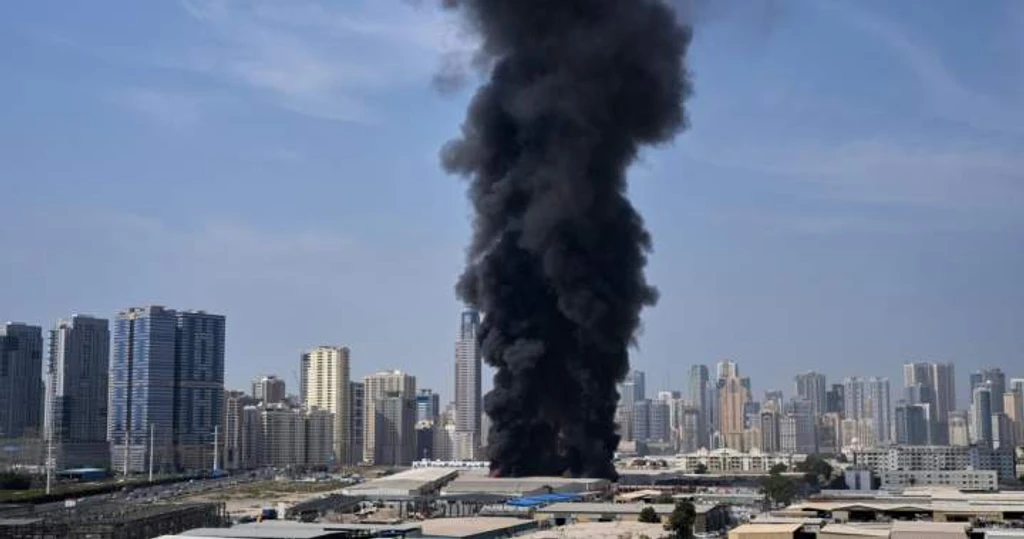
Civilian infrastructure, including airports and an Abu Dhabi complex housing the Israeli embassy, has been affected by debris from intercepted projectiles, causing damage and injuries. The UAE has vowed to respond to what it calls a "blatant act of aggression."
Several Gulf nations, alongside the U.S., have condemned Iran's "unjustified strikes," labeling them a "dangerous escalation that violates the sovereignty of multiple states and threatens regional stability."
Attacks on Saudi Arabia's Ras Tanura oil refinery and threats to shipping in the Strait of Hormuz are already impacting oil prices. Some analysts suggest that following the death of Iranian Supreme Leader Ayatollah Ali Khamenei, certain attacks may be independent actions by military commanders without a clear grand strategy, as hinted by Iranian Foreign Minister Abbas Araghchi.